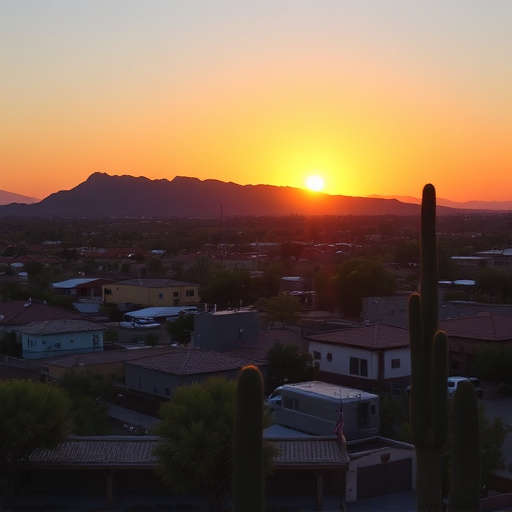
Roofing is a critical component of any home in southern Arizona, where the climate demands energy efficiency and water management, while also considering desert wildlife and outdoor living. However, the vast array of roofing terms, styles, and maintenance needs can be overwhelming for homeowners, especially when planning new build homes or navigating repairs. This guide is your authoritative source to demystify roofing, from understanding the parts of a roof and how it sheds water, to selecting suitable styles for Tucson, Oro Valley, and Marana, and ensuring proper insulation and underlayment for energy bills and resale value. We'll also debunk common roofing myths and provide insights for roofing in unique environments, like higher elevations and 55-plus communities.
- Planning a Roof: Materials, Style, and Cost
- Installing Roofs on New Build Homes: Step-by-Step
- Maintenance: Extending Your Roof's Lifespan
- Repairs and Replacing Roofs: When Needed
Planning a Roof: Materials, Style, and Cost
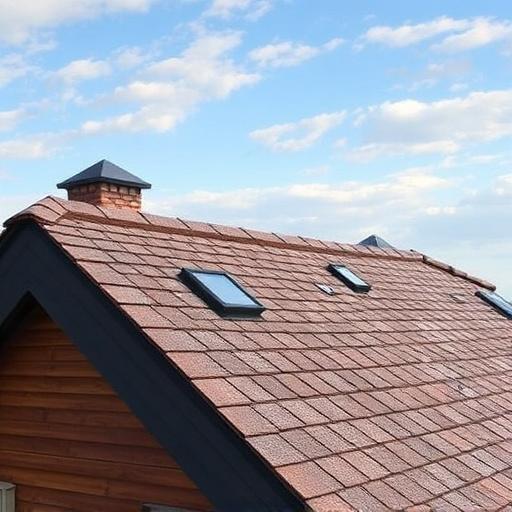
When planning a roof for a new build home in southern Arizona, selecting the right materials and style is crucial. An experienced southern Arizona roof specialist recommends starting with an understanding of your region's unique conditions. Southern Arizona's climate brings high temperatures, intense sunlight, and occasional heavy rainfall, so your roof must be designed to withstand these challenges. A low roof pitch (angle) can be effective in reducing heat absorption, but ensure it's suitable for your home's design and local building codes.
One popular choice for roofs on new build homes in this region is concrete tile. This durable material is well-suited to the climate and offers a long-lasting, low-maintenance option. Concrete tiles are known for their resistance to fire, fungi, and mold, making them a smart choice for homes in desert environments. They also provide excellent insulation, helping to keep your home cool during the hot summer months, thereby reducing energy bills. Their fire-resistant properties can lower your home insurance premiums, a valuable consideration for any homeowner.
The cost of roofing materials varies, with concrete tile often falling in the mid-range to high-end category. However, the longevity of this material means it can provide a sound investment for your property. When considering your budget, remember that the price includes not just the shingles or tiles but also the underlayment, flashing, and other components that contribute to your roof's overall performance. A well-planned roof, chosen with your local climate and home design in mind, can enhance your home's value and provide reliable protection against water damage and leaks, a common concern in the region.
Installing Roofs on New Build Homes: Step-by-Step

When installing roofs on new build homes in southern Arizona, a licensed roofer with an Arizona ROC license plays a pivotal role. In Pima County, a local roofing company serving Tucson and Oro Valley can guide homeowners and builders through the process, ensuring a durable, energy-efficient, and aesthetically pleasing roof.
The first step involves assessing the building's design and local climate conditions. In Tucson, for instance, roof styles often align with the region's unique blend of modern and traditional architecture. Flat roofs, a popular choice in mid-century designs, can be highly efficient in water drainage and reducing cooling costs. However, with higher elevations in areas like Vail, a steeper pitch might be necessary to shed snow and rain effectively.
Material selection is crucial. Asphalt shingles, a common and cost-effective option, offer a wide range of colors to complement various home styles. Homeowners in this region should also consider the impact of roof color on heat absorption, choosing lighter shades to keep the home cool during the hot summer months. Underlayment, a crucial layer beneath the shingles, provides an extra layer of protection against water damage. Proper flashing installation, which prevents water from seeping into joints and vulnerable areas, is equally vital.
A step-by-step process involves preparing the roof deck, installing underlayment, placing flashing along the perimeter and at roof penetrations, and finally, installing the shingles. In new builds, ensuring a seamless integration of the roof with the overall design and structural integrity is paramount. Homeowners should engage a professional roofer who can provide expert advice tailored to their specific needs and local conditions. A roofing contractor with experience in the region might recommend specific underlayment and flashing techniques suited to the local climate and building practices.
Maintenance: Extending Your Roof's Lifespan

Extending the Lifespan of Your Roof: Maintenance Tips for New Build Homes in Southern Arizona
Regular maintenance is key to maximizing the lifespan of your roof, especially in the unique conditions of southern Arizona. For homes built recently, a proactive approach can prevent costly repairs down the line. One of the most effective strategies involves examining and addressing potential issues after major weather events, such as storms or monsoons. This timely intervention can mitigate water damage, a common problem in our region, by ensuring proper drainage and inspecting for leaks.
When inspecting your new roof, look for signs of wear and tear, such as curled or missing shingles, especially along the edges and valleys. These areas are more vulnerable to wind damage and debris impact. If you notice any problems, don't delay; contact a licensed Arizona roofer like DC Roofing of Arizona for prompt repairs. Regular maintenance also includes cleaning your roof to remove dirt, dust, and debris buildup, which can affect its energy efficiency and appearance. Professional cleaning, especially for architectural shingles, can extend the life of your roof by preventing premature aging and damage from excessive weight.
Maintaining proper roof underlayment and flashing is crucial. These components play a vital role in protecting your home from water intrusion. Flashing, for instance, seals the roof at points where it meets various structures, like chimneys or vents. Ensuring these areas are properly sealed and maintained can prevent water damage to your home's interior and insulation, thereby reducing energy bills and improving comfort. Remember, a well-maintained roof contributes to the overall value of your property, especially in a market like southern Arizona where unique architectural styles, like mid-century modern, are prized by buyers.
Repairs and Replacing Roofs: When Needed

In southern Arizona, particularly within Pima County, understanding when to repair or replace your roof is crucial for maintaining your home's integrity and value. The decision to repair or replace a roof on a new build home in Green Valley or Oro Valley depends on several factors.
One of the first indicators is the age of your roof. As a general rule, asphalt shingles last between 20 to 30 years. If your roof is nearing the end of its lifespan, it's often more cost-effective to replace it entirely, especially since modern roofing materials offer enhanced durability and energy efficiency. An experienced southern Arizona roof specialist can advise on the condition of your roof, considering factors like water damage, leaks, and insulation integrity. In desert climates like ours, proper roof drainage is vital to prevent water damage, and a thorough inspection can identify any issues with flashing or underlayment.
Regular maintenance, including inspecting for loose or missing shingles, can extend the life of your roof. However, if your home has experienced significant weather events, such as severe storms or hail, repairs might not be enough. In these cases, a replacement roof may be necessary to ensure your home's protection against the elements. Roofs in Marana or Vail, areas known for their varying elevations and weather patterns, require specialized consideration. An expert roofer can assess the specific needs of your property, whether it's a new build in Green Valley or an older home in Sahuarita, to determine the best course of action.
Frequently Asked Questions About a general guide to roofing for homes across southern Arizona
What types of roofing materials are commonly used in southern Arizona? The climate in southern Arizona demands roofing materials that can withstand extreme heat and intense sunlight. Common choices include tile roofing, known for its durability and aesthetic appeal, and metal roofing, which offers excellent resistance to both weather and fire. Flat roofs are also prevalent, often utilizing single-ply or TPO (thermoplastic polyolefin) membranes, suitable for the region's arid conditions.
How do I know if I need a new roof? Regular inspection is key. Look for signs of damage, such as missing or curled shingles, leaks, or discolored areas. If your roof is more than 15 years old, it's advisable to have a professional assess for potential issues. Weather events, like severe storms, can also indicate the need for a new roof, especially if your current one lacks proper drainage or has significant wear and tear.
What factors should I consider when choosing a roofing contractor? Safety and insurance are paramount; ensure the contractor carries workers' compensation and general liability insurance. Experience and a proven track record are crucial; ask for references and examples of previous work. Local licensing and membership in industry associations, like the Better Business Bureau or local roofing trade groups, demonstrate a commitment to quality and ethical practices.
How long does a typical roof replacement project take? Most residential roof replacements in southern Arizona can be completed within one to two days, depending on the size of the property and the complexity of the job. This includes the removal of the old roof, installation of underlayment, and placement of new shingles or roofing material. However, complex projects or those with unique design elements may take slightly longer.
What is the best way to maintain my roof to extend its lifespan? Regular cleaning and inspection are vital. Remove debris and leaves to prevent water damage and blockages. Repair or replace missing or damaged shingles promptly. Consider a roof coating or sealing to protect against UV damage and extend the life of your roofing material. Schedule professional maintenance at least once a year to ensure optimal performance.
In wrapping up this guide to roofing in southern Arizona, several key takeaways emerge. First, the right materials and style, thoughtfully chosen, can significantly impact your energy bills and home value. Consider the benefits of energy-efficient asphalt shingles, especially in the region's hot climate. When planning new build homes, a flat, mid-century style has proven popular, but understanding roof pitch and drainage is crucial for optimal water shedding and long-term protection against leaks and water damage.
The installation process itself is an art, with each step from preparation to underlayment and flashing playing a vital role in your roof's lifespan. Skilled contractors in Tucson, Oro Valley, and Marana can guide you through this, ensuring your new roof not only looks great but also performs effectively. Regular maintenance, including inspections and repairs, is essential for extending the life of your roof, protecting against desert wildlife, and keeping your home comfortable.
Finally, be aware of the unique challenges and opportunities presented by higher elevations, the potential for backyard trees and outdoor living spaces, and the importance of roofing in 55+ communities. Understanding these aspects empowers you to make informed decisions about your roof, ensuring it contributes positively to your home's resale value and overall comfort, while aligning with the region's unique environment and aesthetic.
Roofing New Build Homes in Southern Arizona
When planning roofs on new build homes in southern Arizona, prioritize climate-appropriate materials and design. Concrete tiles are a popular, durable choice known for fire resistance, fungi prevention, and excellent insulation. A licensed roofer with an Arizona ROC license guides homeowners, ensuring a well-planned, energy-efficient, and water-resistant roof.
In Pima County, roof styles reflect the blend of modern and traditional architecture. Flat roofs are efficient but require careful planning. Material selection considers color impact on heat absorption and includes underlayment and flashing for protection. Engaging a professional contractor ensures tailored advice and proper installation.
Regular maintenance, post-weather events, and periodic inspections are vital for new build homes. Addressing issues promptly prevents water damage and extends the roof's lifespan. Professional cleaning and maintenance of underlayment and flashing contribute to the home's value and comfort.
The decision to repair or replace a roof depends on age, condition, and weather events. An expert roofer assesses specific needs, recommending replacements when necessary, especially in areas like Marana or Vail.