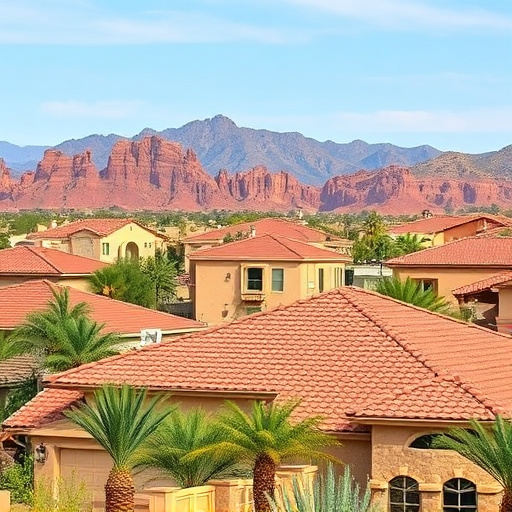
In the scorching Arizona sun, your roof is more than just a shield; it's a critical component that impacts your home's comfort, energy bills, and even resale value. Understanding roofing terms is essential for every Arizona homeowner, especially when navigating the unique challenges of our climate and diverse roofing styles. From the moment you spot a leak to the decision between asphalt shingles and mid-century flat roofs, knowing the lingo empowers you.
This glossary is your go-to guide, demystifying complex roofing concepts in simple, actionable language. We'll examine the parts of a roof, how it sheds water, and the impact of roof color and heat on your home's environment. By the end, you'll be equipped to make informed decisions about your roof's health and your home's long-term value.
- Understanding Basic Roofing Terms: Your First Step
- Roof Materials: Selection, Durability, and Cost
- Roof Color and Heat: Energy Efficiency Strategies
- Common Arizona Roof Problems and Maintenance Tips
Understanding Basic Roofing Terms: Your First Step

Understanding Basic Roofing Terms is your first step toward making informed decisions about your Arizona home. Whether you're considering a new installation or a repair, knowing the language of roofing gives you power. A licensed Arizona roofer will often use terms like asphalt shingles, clay tile, or architectural shingles-each with its own set of benefits and considerations. These materials not only impact the look of your home but also play a crucial role in energy efficiency and heat mitigation.
Let's break down a few key terms. Architectural shingles, a popular choice in our region, are designed to mimic the look of individual tiles but offer the durability of asphalt. They're known for their superior wind resistance and can add a distinctive architectural flair to your home, especially in styles like Spanish or Mediterranean, common in Tucson and Green Valley. On the other hand, clay tiles are a classic, durable option, often preferred for their aesthetic appeal and long-term performance. They're a good fit for homes in Oro Valley or Marana, where desert landscapes inspire a certain kind of timeless design.
When discussing roof color and heat, it's essential to consider the climate. Lighter-colored materials, like white or reflective shingles, are highly recommended for Arizona homes. They help reflect sunlight, reducing heat absorption and keeping your home cool, which translates to lower energy bills. This is particularly important at higher elevations, such as those found in Vail, where the sun's rays are more intense. Conversely, darker colors absorb heat, which can lead to increased energy costs during our hot summers.
Understanding these basic roofing terms is only the beginning. The next step involves exploring specific styles and their implications for your home's value and comfort. Stay tuned for our in-depth guide to roofing styles and decisions tailored to southern Arizona.
Roof Materials: Selection, Durability, and Cost
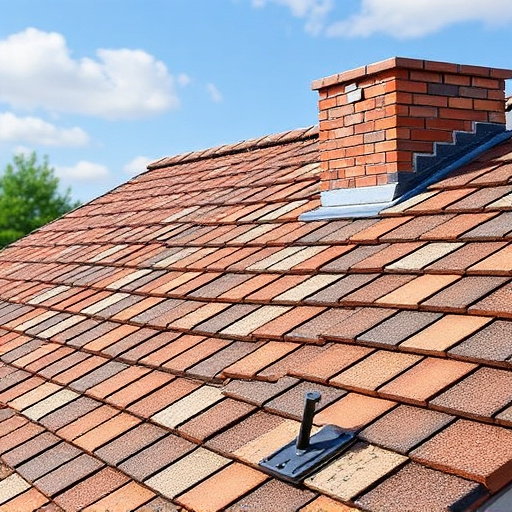
When selecting roof materials for your Arizona home, understanding the interplay between durability, cost, and aesthetics, particularly in light of our region's unique climate, is crucial. In areas like Oro Valley and Marana, where monsoon seasons bring both rain and intense sunlight, your roof is more than just an external component-it's a crucial defense against water damage and a key player in maintaining comfortable indoor temperatures.
Asphalt shingles, a common roofing material, offer a cost-effective option. They are easy to install, affordable, and relatively low-maintenance. However, their performance in extreme heat and sunlight can be a concern. Over time, exposure to UV rays can cause asphalt shingles to deteriorate, leading to cracks and loss of effectiveness as a weather barrier. This is particularly relevant in southern Arizona, where roof color and heat interact, with lighter colors reflecting more light and heat, potentially contributing to higher energy bills.
For enhanced durability and energy efficiency, consider alternative materials. Metal roofing, for instance, DC Roofing of Arizona has found to be a popular choice in our region. Metal roofs can withstand extreme temperatures and are highly reflective, reducing heat transfer into your home. They are also known for their longevity-often lasting 40-50 years or more-and resistance to water damage, making them an excellent investment. In areas like Marana, where homes are often built on larger plots with trees and outdoor living spaces, a durable roof can protect your investment from potential damage caused by falling debris during storms.
For cost, remember that the highest-priced option isn't always the best. Consider the long-term savings from increased energy efficiency and reduced maintenance. A reflective metal roof can lower your energy bills during the hot summer months. The right roofing material can impact your home's resale value. In a market like Oro Valley, where many buyers consider outdoor living spaces a priority, a well-maintained, attractive roof can enhance your home's appeal.
Roof Color and Heat: Energy Efficiency Strategies
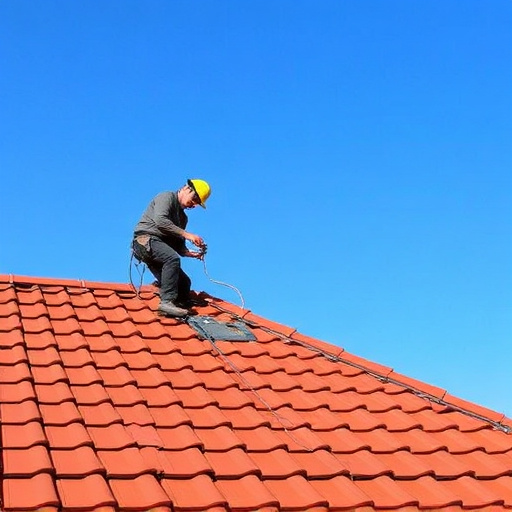
Roof color and heat play a significant role in a homeowner's energy efficiency strategy, particularly in Arizona's unique climate. The choice of roof color can significantly impact a home's temperature, affecting both indoor comfort and energy bills. Lighter-colored roofs, such as white or reflective shingles, have a cooler surface temperature compared to darker shades like black or dark gray. This is because light colors absorb less heat from the sun, reducing the amount of heat transferred into the home.
When considering roofing materials, architectural shingles are a popular choice for their energy-saving properties. These shingles are designed to reflect sunlight, thereby lowering the roof's surface temperature. Proper flashing installation is crucial in any roofing project, as it prevents water intrusion and reduces heat transfer. By ensuring a well-sealed roof, including flashing around chimneys and vents, homeowners can maintain a more comfortable indoor environment during the hot Arizona summers.
A roofer with an Arizona ROC license can guide homeowners in selecting the most suitable roof color and materials for their properties. In neighborhoods with predominantly light-colored roofs, the overall energy efficiency can be enhanced. Understanding the region's sun exposure and temperature variations throughout the year is essential. In areas with intense sunlight, reflective roofing materials can be particularly beneficial. By strategically choosing roof color and materials, homeowners can significantly reduce their energy bills and contribute to a more sustainable living environment.
Common Arizona Roof Problems and Maintenance Tips

Arizona homeowners often face unique challenges for roofing due to the state's distinct climate and diverse terrain. This glossary focuses on common roofing issues and maintenance tips relevant to our region, with a specific eye towards mitigating heat gain, a primary concern in our desert environment.
One of the most prevalent problems is water damage from heavy summer rains. Proper roof drainage, including well-placed gutters and downspouts, is crucial. In Pima County, where canal systems (Canales 1-3) are common, homeowners should ensure water is directed away from foundations, preventing potential flooding and associated structural issues. Leaks can also arise from worn-out or poorly installed shingles, particularly in older homes. Regular inspections and timely repairs are key to preventing water intrusion, which can lead to significant energy bills and comfort issues.
Cool roofs are an increasingly popular solution to combat the intense summer heat. This involves selecting reflective materials and designs that absorb less heat from the sun. In areas like Tucson, known for its mid-century modern architecture, flat roofs with reflective coatings can significantly reduce interior temperatures, making homes more comfortable and cutting energy costs. A roofer with an Arizona ROC license can advise on the best cool roof options for your home, taking into account factors like roof pitch and local climate.
Homeowners should consider the roof color and heat dynamic. Darker shingles absorb more heat, leading to increased interior temperatures. Lighter-colored shingles, on the other hand, reflect sunlight, keeping homes cooler. This is particularly relevant for homes in lower elevation areas, like Marana or Vail, where intense sunlight is prevalent. By choosing lighter-colored shingles, homeowners can reduce their energy bills and extend the life of their roofing system.
Frequently Asked Questions About a Plain Language Glossary of Roofing Terms for Arizona Homeowners
What is a roofing glossary?
A roofing glossary is a collection of commonly used terms in the roofing industry, explained in simple, easy-to-understand language. It's a helpful tool for Arizona homeowners to better communicate with contractors, understand estimates, and make informed decisions about their roofs.
Why is it important for homeowners?
Familiarity with roofing terms empowers homeowners. It allows them to:
- Ask informed questions: When you know what terms like "underlayment" or "flashing" mean, you can confidently ask your contractor about their use and necessity.
- Compare quotes effectively: Understanding the terms in a quote will help you accurately compare costs and services offered by different contractors.
- Recognize potential problems: By knowing the language, you can spot red flags in your roof's condition and take proactive measures.
How does this glossary benefit contractors?
This glossary benefits contractors by:
- Reducing miscommunication: A common language ensures everyone is on the same page, minimizing misunderstandings and potential conflicts.
- Building trust with clients: By explaining things clearly, contractors demonstrate their expertise and earn client confidence.
- Streamlining communication: A shared vocabulary makes discussions about roofs faster and more efficient.
Can you provide examples of useful roofing terms?
Absolutely! Here are a few examples:
- Shingle: Individual pieces of material used to cover a roof. Asphalt shingles are a common type in Arizona homes.
- Gutter: The channels that collect and direct rainwater away from the roof and downspouts.
- Downspout: Pipes that carry rainwater from the gutters to the ground or into a drainage system.
- Flashing: Metal or synthetic materials used to seal joints and prevent water intrusion where a roof meets other structures, like chimneys.
- Underlayment: A layer of protective material installed beneath shingles to provide added protection against leaks.
Where can I find more information about my specific roofing needs?
While this glossary offers a good starting point, always consult with a licensed, experienced roofing contractor in Arizona for personalized advice. They can assess your home's unique needs and provide tailored solutions.
Are there any specific Arizona-related considerations for roofing?
Absolutely. Arizona's extreme heat and sunlight require roofing materials that are both durable and reflective to minimize heat absorption and energy costs. Local building codes and permit requirements also apply, so always ensure your roofing project complies with local regulations.
As Arizona homeowners, understanding the language of roofs is key to making informed decisions about this critical component of your home. This article has demystified essential roofing terms, offering insights into materials, styles, and maintenance. By grasping the fundamentals of roof color and heat interaction, you can make strategic choices that enhance energy efficiency, mitigate water damage, and preserve your home's value.
From the durability of asphalt shingles to the impact of roof pitch on drainage, this guide has equipped you with practical knowledge. You now recognize the importance of underlayment, flashing, and proper insulation for a comfortable and weather-resistant home. Understanding the unique challenges posed by Arizona's climate and desert wildlife will guide your maintenance efforts, ensuring a long-lasting and functional roof.
Moving forward, consider the following practical steps:
- Consult with a local expert: Engage a Tucson or Marana-based roofing guide to discuss your specific needs and home's unique characteristics.
- Regular inspection: Schedule annual checks to identify potential issues early, promoting proactive maintenance and preventing costly repairs.
- Energy-efficient choices: When replacing or installing a roof, opt for materials and colors that reflect heat, reducing energy bills and environmental impact.
By embracing these key takeaways, Arizona homeowners can confidently navigate the world of roofing, ensuring a safe, comfortable, and sustainable living space.
When selecting a roof for your Arizona home, consider:
- Durability, cost, and aesthetics for a balanced choice.
- Roof color and heat impact energy efficiency; lighter colors reflect heat, reducing bills.
- Alternative materials like metal roofing offer durability, energy savings, and longevity.
- Long-term savings by balancing initial cost with reduced energy bills and increased home value.
- Local climate and sun exposure guide material selection; consult a licensed roofer.
- Address common issues like water damage, heat gain, and leaks through proper drainage, cool roofs, and light-colored shingles.