In the arid climate of southern Arizona, your roof is more than just a shelter; it's a critical defense against the elements, a key component in energy efficiency, and a significant factor in your home's value. Understanding your roof's components and their roles is essential for any Tucson homeowner. From water damage prevention to energy bill savings, the way your roof is styled and maintained can dramatically impact your comfort and outdoor living spaces. This glossary is designed to demystify the many terms related to roofing in Arizona, focusing specifically on the unique considerations faced by homeowners in Tucson and its surrounding communities, including Oro Valley, Marana, and Green Valley. By the end, you'll be equipped to make informed decisions about your roof's care and style, with a particular focus on the evolution of Tucson roof styles by decade.
- Understanding Basic Roofing Terms in Tucson
- Tucson Roof Materials: Shingles, Metal, and More
- Exploring Tucson Roof Styles Through the Decades
- Common Roofing Issues and Maintenance Tips for Homeowners
Understanding Basic Roofing Terms in Tucson
Understanding Basic Roofing Terms in Tucson
For Arizona homeowners, navigating the world of roofing can seem like a complex maze. To demystify the process, it's essential to familiarize yourself with key roofing terms specific to our region. In Tucson, and throughout southern Arizona, the climate and local building codes shape the roofing styles and materials commonly used. Let's break down some fundamental roofing terms to empower you as a homeowner.
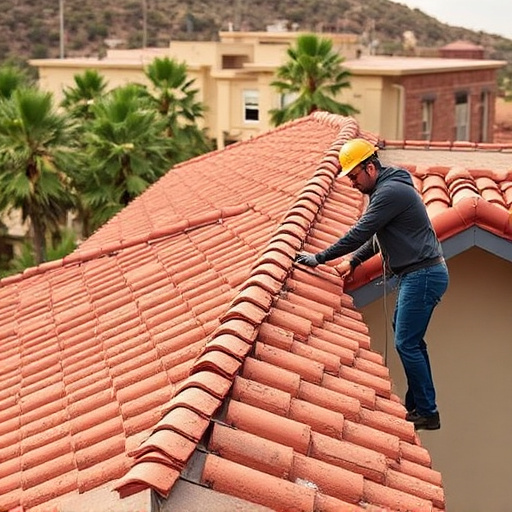
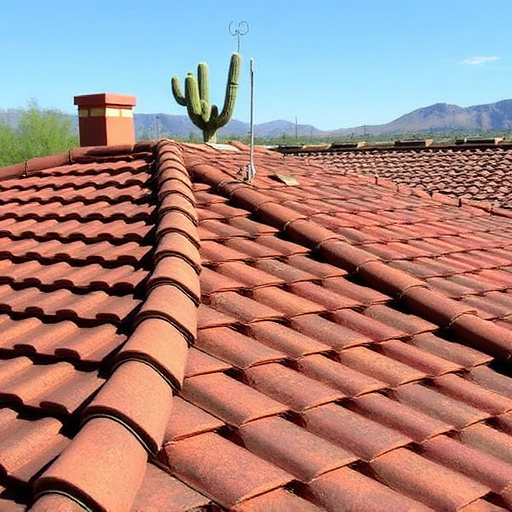
One of the primary considerations in southern Arizona is the choice of roofing material. Clay tile, a popular and traditional option, excels in our arid climate due to its exceptional durability and heat resistance. This natural material has been a cornerstone of Tucson roof styles for decades, offering both aesthetic appeal and long-term performance. Modern innovations in roofing materials have introduced high-quality synthetic tiles, providing a more affordable alternative without compromising quality or style.
When discussing the structure of a roof, understanding the term "roof decking" is crucial. This refers to the layer directly beneath the roofing material, typically made of plywood or oriented strand board (OSB). Proper decking installation is vital for a secure and leak-free roof. A licensed roofer with an Arizona ROC license (a trusted local expert) emphasizes the importance of using the right type and thickness of decking, ensuring a solid foundation for your roof system.
Over time, Tucson's roofing styles have evolved, reflecting changes in architectural trends and technological advancements. From the iconic flat roofs of the mid-20th century to the diverse range of styles seen today, the city's skyline showcases the adaptability of roofing design. As you consider your roofing options, keep in mind that energy efficiency and water management are critical aspects, especially with our region's unique climate and water conservation efforts. Understanding these basic roofing terms is a strong first step in making informed decisions about your home's exterior.
Tucson Roof Materials: Shingles, Metal, and More
Tucson, known for its vibrant culture and unique architectural styles, has seen a diverse evolution in roofing over the decades. The region's roofing landscape reflects the changing tastes, technologies, and environmental considerations of its residents. Here, we break down some of the most common Tucson roof styles by decade, focusing on the materials that define them.
1950s and 1960s: Mid-Century Modern and Asphalt Shingles This era brought about a surge in mid-century modern homes, characterized by clean lines and open spaces. To complement these designs, asphalt shingles became a popular choice among Tucson homeowners. Known for their affordability and durability, these shingles were easy to install and maintain, making them a go-to option for both new builds and renovations. The flat rooflines of mid-century moderns often featured these shingles, providing a sleek, low-profile look that fit the architectural style.
1970s and 1980s: Tile and Metal Roofs Gain Traction As Tucson's population grew, so did the demand for more durable and aesthetically pleasing roofing materials. Clay and concrete tile roofs became increasingly popular, offering a timeless, Mediterranean-inspired look. Their longevity and resistance to fire and water damage made them a preferred choice for many. Meanwhile, metal roofing gained traction, especially in areas prone to severe weather. A licensed Arizona roofer often recommended metal for its ability to withstand high winds and intense sun, providing a reliable shield for Tucson homes.
1990s and Beyond: Eco-Friendly and Energy-Efficient Options In recent decades, Tucson homeowners have shown a growing interest in eco-friendly and energy-efficient roofing options. Reflective or cool roofs, designed to reflect sunlight and reduce heat absorption, have become more common. These roofs not only help lower energy bills but also contribute to the overall comfort of homes, especially in the region's hot summers. The use of recycled materials, such as metal or rubber shingles, has gained popularity, aligning with the region's commitment to sustainability.
When considering a roof replacement or new installation, homeowners in Marana, Sahuarita, or Vail should consult with a local expert to determine the best materials for their specific needs. Factors like climate, local building codes, and personal aesthetics play a significant role in choosing the right roofing style and materials. A roof decking made from high-quality underlayment can extend the life of any roofing system, ensuring protection against water damage, leaks, and other potential issues.
Exploring Tucson Roof Styles Through the Decades
Through the decades, Tucson has seen a unique evolution in roofing styles, reflecting both the region's rich history and the changing trends of its residents. When exploring Tucson roof styles by decade, we gain insight into the city's architectural past and present, as well as the practical considerations that have shaped roofing practices in southern Arizona.
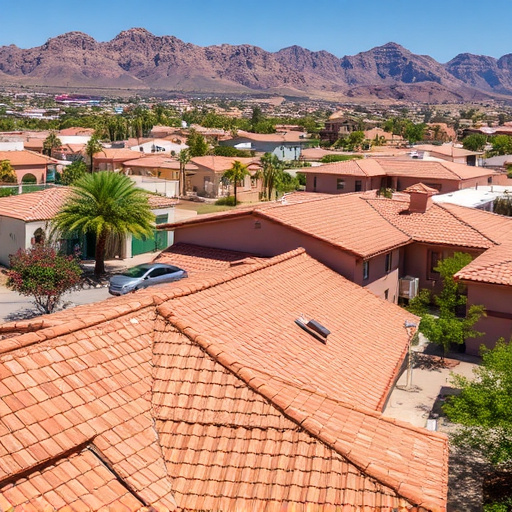
In the mid-20th century, flat roofs dominated the Tucson skyline, characterized by their simplicity and modern aesthetic. This era's architectural influence can still be seen in many mid-century homes, where seamless, low-sloping roofs are a defining feature. However, as the decades progressed, the region's distinct climate and natural surroundings began to play a more significant role in roofing design. By the 1970s and 80s, canal-style roofs became prevalent, offering both aesthetic appeal and efficient water drainage in the arid environment. These canals, or valleys, running along the roofline not only added a unique visual element but also funneled rainwater away from the home's foundation, a crucial consideration in desert climates.
As we move into the 21st century, Tucson's roofing styles reflect a blend of historical influences and modern innovations. Homeowners now have a wide array of options, from traditional styles that pay homage to the region's past to energy-efficient designs that incorporate advanced materials and techniques. Many new builds in southern Arizona feature roof decking made from durable, locally sourced materials, designed to withstand the area's intense sunlight and varying weather patterns. A roofer with an Arizona ROC license can guide homeowners in choosing the best option, considering factors like insulation, energy efficiency, and water damage prevention, all while staying true to the distinct character of Tucson roof styles by decade.
Common Roofing Issues and Maintenance Tips for Homeowners

Arizona homeowners often face unique roofing challenges due to the region's climate, extreme temperatures, and occasional severe weather events. This glossary is designed to help you understand common roofing issues and the best maintenance practices for keeping your roof in top condition. One notable aspect of roofing in this region is the evolution of styles over the decades, with Tucson showcasing a mix of traditional and modern designs, from historic homes with flat roofs from the mid-century modern era to contemporary structures with sleek, angular lines.
Common Roofing Issues in Arizona: Water damage is a significant concern, primarily due to heavy summer rains and occasional flash floods. Leaks can occur from worn-out or damaged shingles, flashing, or poor drainage systems. Homeowners should regularly inspect their roofs for any signs of water intrusion, especially around chimneys, vents, and valleys. In areas like Green Valley and Oro Valley, where older homes are prevalent, it's crucial to pay extra attention to roof decking, as it may require replacement over time.
Maintenance Tips for Optimal Roof Performance:
- Regular Cleaning: Clear debris and leaves from gutters and downspouts to ensure proper water flow and prevent clogs. This is especially important after significant storms.
- Inspection: Conduct visual inspections monthly to identify any missing, damaged, or curled shingles. Look for signs of mold or algae growth, especially in areas with poor ventilation.
- Flashings and Underlayment: Ensure proper flashing around vents, chimneys, and roof edges. Regularly check the underlayment for any tears or damage, as it provides an extra layer of protection against leaks.
- Drainage: Maintain proper roof drainage by keeping gutters clean and ensuring downspouts direct water away from the foundation. In areas with higher elevations, like Vail, consider the impact of snow melt on drainage systems.
- Professional Help: For complex issues or extensive repairs, consult a roofing contractor serving Pima County. They can provide expert advice tailored to your specific roof style, whether it's a traditional Tucson design or a modern, flat roof.
Frequently Asked Questions About a plain language glossary of roofing terms for Arizona homeowners
What is the purpose of a roofing glossary for homeowners?
Understanding roofing terms can be a challenge for many homeowners. This glossary aims to demystify the language of roofing, empowering Arizona residents to communicate effectively with contractors, understand estimates, and make informed decisions about their home's roof. It's a valuable tool for anyone considering a new roof or roof repair.
Why are some roofing terms specific to Arizona?
Arizona presents unique roofing challenges due to its climate, terrain, and solar exposure. Terms like "cool roof" or "reflective coating" are specific to this region, reflecting the need for energy-efficient and heat-resistant roofing solutions in the hot, sunny climate.
How can I use this glossary in my interaction with a contractor?
When working with a contractor, refer to the glossary to clarify any unfamiliar terms. Don't hesitate to ask questions! A good contractor should be able to explain any term in plain language. This open communication ensures you understand the work being done and the materials used.
What are some common roofing materials used in Arizona?
The choices for roofing materials in Arizona often prioritize durability, heat resistance, and energy efficiency. Metal roofing, tile roofing, and cool roofs (made from materials like TPO or PVC) are popular choices. Local building codes and personal aesthetic preferences also play a role.
What's the difference between a "flat" and "sloped" roof?
A flat roof has a very slight slope, usually less than 3/12 (or 2.5 degrees), while a sloped roof has a steeper angle, typically 4/12 (or 3.3 degrees) or more. In Arizona, sloped roofs are more common due to the region's weather patterns and the desire for better drainage.
How often should I inspect my roof?
It's recommended to inspect your roof at least twice a year, in the spring and fall. Regular inspections can help identify minor issues before they become major problems, saving you money and preventing further damage. Keep an eye out for missing or damaged shingles, leaks, and signs of mold or mildew.
As homeowners in Tucson navigate the unique challenges of Arizona's climate and landscape, understanding the language of roofing is essential. This article has demystified key roofing terms, providing a comprehensive glossary tailored to the region. From the fundamental components like asphalt shingles and underlayment to the intricate details of roof drainage and pitch, readers now possess the knowledge to make informed decisions.
Tucson's roof styles have evolved over the decades, reflecting the area's growth and architectural trends. From the iconic flat roofs of mid-century modern homes to the diverse range of styles in 55-plus communities, each era has left its mark. By understanding these Tucson roof styles by decade, homeowners can appreciate the historical context of their properties and make choices that enhance outdoor living spaces.
This guide has explain common roofing issues, such as water damage and leaks, emphasizing the importance of regular maintenance. Knowing how roofs keep homes cool, shed water, and impact energy bills empowers homeowners to make strategic choices. The article has also dispelled roofing myths specific to Arizona, ensuring readers are equipped with accurate information.
This authoritative piece equips Tucson homeowners with the knowledge to navigate the roofing landscape confidently. By embracing these insights, they can ensure their homes are protected, comfortable, and valuable, whether considering a new build, renovation, or maintenance.
Tucson Roofing Guide: Styles, Terms, and Maintenance
- Tucson Roof Styles by Decade: Evolving from mid-century modern flat roofs to diverse options like tile, metal, and eco-friendly materials, reflecting the region's changing tastes and sustainability efforts.
- Key Roofing Terms: Understand "roof decking" for proper installation, and be aware of climate-specific considerations like water management and energy efficiency.
- Common Roofing Issues: Water damage and leaks are primary concerns, requiring regular inspections and maintenance, especially in areas with heavy rainfall and flash floods.
- Maintenance Tips: Regular cleaning, inspection, flashing checks, and proper drainage are vital. Consult a licensed roofing contractor for complex issues, tailored to Tucson's unique roof styles.