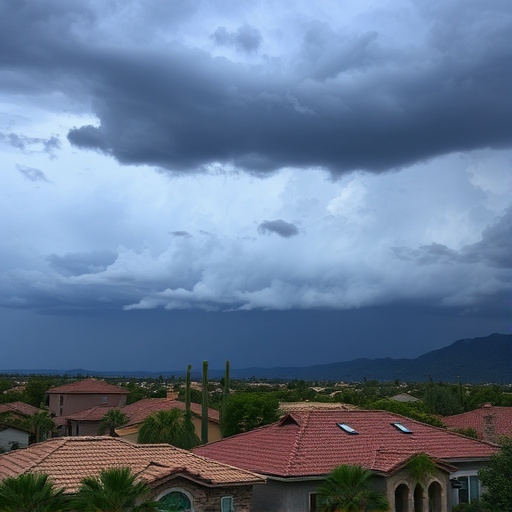
Roofing is a cornerstone of any home, offering protection from the elements, enhancing energy efficiency, and even influencing a property's resale value. However, with various home types-from historic adobe structures to modern builds-understanding the unique roofing needs of each can be challenging. This guide aims to demystify roofing, providing a comprehensive overview of different roofing styles, materials, and maintenance practices tailored to specific home types in terms glossary. By understanding the parts of a roof explained in this article, homeowners and builders alike can make informed decisions, ensuring long-lasting protection and optimal performance for each unique structure in our community.
- Understanding Basic Roof Types: Adobe to Modern
- Parts of a Roof: Components & Their Functions
- Roofing Materials: Choosing the Right Fit for Your Home
- Installation & Maintenance: Extending Your Roof's Lifespan
Understanding Basic Roof Types: Adobe to Modern
In southern Arizona, understanding the various roof types is crucial for both aesthetic and practical reasons. The unique climate, including the intense sun and occasional monsoon season, demands specific roofing solutions tailored to protect homes and maximize energy efficiency. From historic adobe structures to modern new builds, each home type requires a roof designed to withstand the local conditions.
Let's explore the fundamental components of a roof and how they differ across styles. A typical roof consists of several layers, including the structural support, underlayment, sheathing, and finally, the covering material. A traditional asphalt shingle roof offers a cost-effective solution for new builds. The shingles themselves are designed to protect against water intrusion and UV exposure, a critical factor in this region. In contrast, flat roofs, popular in mid-century modern homes, require careful consideration of drainage to prevent water damage. The lack of slope can lead to pooling if not engineered correctly, which is why proper flashing and underlayment are essential parts of a flat roof's construction.
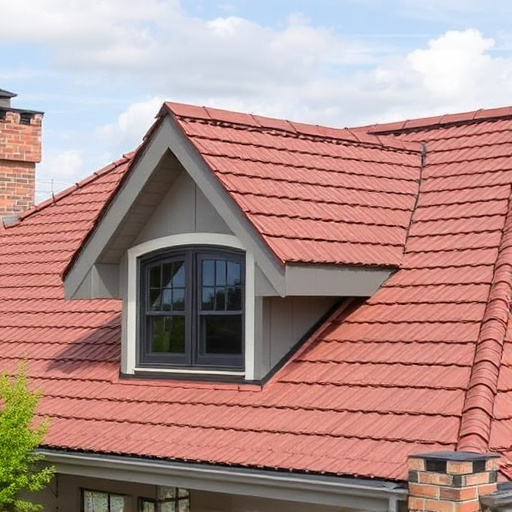
For historic homes, such as those in Tucson's older neighborhoods, roofing considerations are unique. Adobe structures, for example, often have tile roofs that provide excellent protection from the elements while enhancing the home's architectural charm. These tiles are designed to shed water efficiently, a crucial aspect in preventing leaks and water damage, a common issue during the monsoon season. A licensed Arizona roofer specializing in these styles can ensure these historic homes remain protected while preserving their original beauty. As homes age, the roof's condition becomes increasingly vital for maintaining energy efficiency and home value, making regular maintenance a must.
Parts of a Roof: Components & Their Functions
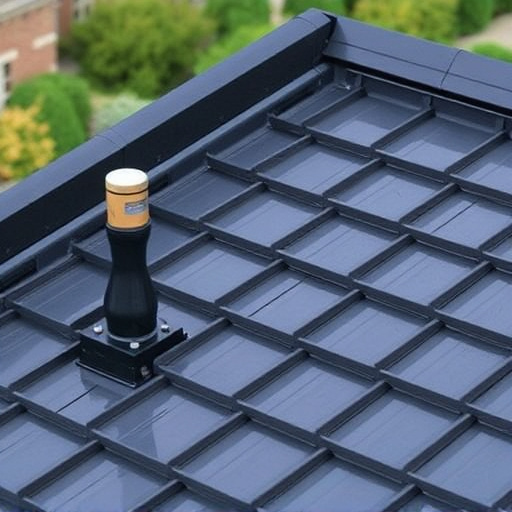
The roof is a critical component of any home, providing protection from the elements and contributing significantly to energy efficiency. Understanding the various parts of a roof explained in their functions is essential when considering roofing for different home types, from historic adobe structures to modern new builds. In southern Arizona, for instance, homes in Sahuarita often face distinct challenges and opportunities due to the region's unique climate and landscape.
A typical roof consists of several key elements. The roof deck, usually made of plywood or oriented strand board (OSB), serves as the structural foundation. Above this, underlayment-a protective layer that shields the deck from moisture-is installed. The underlayment's effectiveness is crucial, especially in regions like southern Arizona where water damage from heavy rainfall or flash floods can be a significant concern. For homes in Sahuarita, where strong winds are not uncommon, a robust underlayment becomes even more critical.
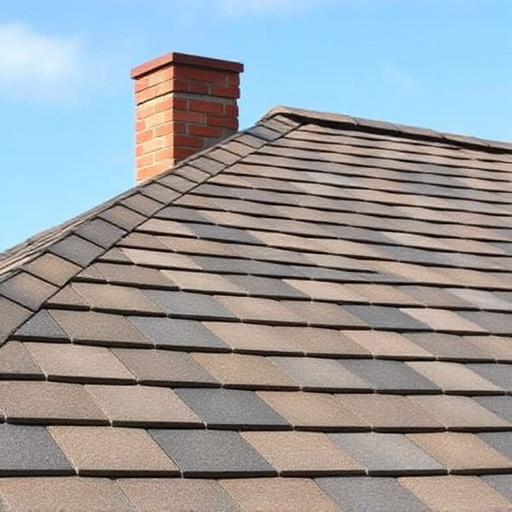
The next layer involves the roofing material itself, with asphalt shingles being a popular choice for their affordability and ease of installation. Shingles are designed to overlap, creating a watertight barrier. In areas prone to extreme heat, like parts of southern Arizona, the selection of roof color becomes important. Lighter colors reflect sunlight, helping to keep the home cooler, while darker shades absorb heat, potentially increasing energy bills. An experienced southern Arizona roof specialist might recommend specific shade options based on the local climate and home style.
Another critical component is the roof's pitch, or slope. This angle is measured in degrees and dictates the flow of water and debris. Steep roofs shed water efficiently but may require more snow-melting assistance in colder climates. In Sahuarita, where rainfall is abundant but snowfall is rare, a moderate roof pitch is often ideal. At the roof's perimeters, parapet walls act as finish and safety features, preventing the potential loss of materials or people.
Understanding these parts of a roof explained in detail allows homeowners and contractors alike to make informed decisions for roofing. A homeowner in Sahuarita considering a new roof might opt for a material that offers both insulation and energy efficiency, aligning with the region's climate and the home's value. By considering the roof's structure and components, homeowners can ensure their investment stands the test of time, protecting their homes and contributing to their overall comfort and energy savings.
Roofing Materials: Choosing the Right Fit for Your Home
When selecting roofing materials, understanding the parts of a roof explained in detail is crucial for making an informed decision. In southern Arizona, such as the communities of Oro Valley and Pima County, the roof is your home's first line of defense against the elements. A durable, energy-efficient roofing system not only protects your property but also significantly impacts your energy bills and home value.
The choice of roofing materials depends on various factors, including your home's style, climate, and budget. Flat roofs are popular in mid-century modern homes in Tucson, which require specific underlayment and flashing to prevent water damage. In contrast, pitched roofs are common in new builds and traditional adobe homes, designed to shed water effectively and withstand the region's unique weather patterns. A licensed Arizona roofer will often recommend materials that align with your home's architecture and local building codes.
When considering materials, think about insulation, color, and drainage. Light-colored roofs reflect sunlight, reducing heat absorption and lowering cooling costs. Proper roof drainage systems, explained in terms of pitch and slope, ensure water flows away from your home's foundation, preventing leaks and water damage. A well-designed roof drainage system in a manufactured home in Vail can significantly extend the life of the structure by diverting rainwater effectively.
Lastly, remember that roofing materials vary in lifespan, maintenance requirements, and environmental impact. Some options, like asphalt shingles, are common due to their affordability and ease of installation. However, as your home ages, consider the long-term benefits of investing in a more durable roofing system, such as metal or tile, which can enhance your home's resale value and provide better protection against desert wildlife and backyard trees.
Installation & Maintenance: Extending Your Roof's Lifespan
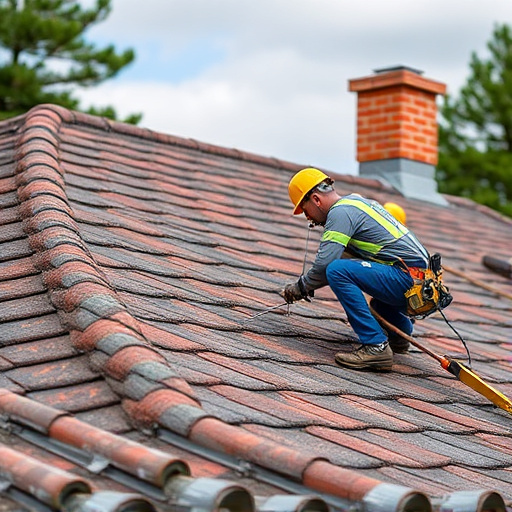
Extending Your Roof's Lifespan: Installation & Maintenance
Regular maintenance and proper installation are crucial for maximizing the lifespan of any roof, regardless of the home type. For different structures in southern Arizona, from adobe to new builds, each requires tailored care to address specific challenges. An adobe home's roof might need protection against intense desert sunlight, while a modern structure with concrete tile may demand a more advanced underlayment system.
An experienced southern Arizona roof specialist emphasizes the importance of understanding the various parts of a roof in this diverse climate. The roof deck, for instance, serves as the foundation, and proper ventilation ensures it stays dry and cool. Flashing, often overlooked, matters in preventing water seepage at joints and around chimneys. For homes with a steep pitch, careful installation of shingles or tiles is essential to ensure water effectively sheds from the roof. In flat roofs, like those found in mid-century modern homes, techniques like spray polyurethane foam offer excellent insulation and water resistance.
Regular inspections and timely repairs are key to preventing leaks and water damage, both of which can lead to costly energy bills and reduced home comfort. Homeowners should look for signs of wear and tear, such as curled or missing shingles or damaged flashing. Addressing these issues promptly can extend the roof's life by years. A simple repair to flashing can prevent a common problem in Tucson's dry climate: the heat from the sun can cause the underlayment to dry out, leading to premature wear and tear on the shingles. A cool roof, with reflective materials, can also help mitigate this issue by reducing the heat transfer into the home, thereby lowering energy bills.
Frequently Asked Questions About a Guide to Roofing for Different Home Types, from Adobe to New Builds
What is the best roofing material for an adobe home? Adobe homes, given their traditional and earth-based construction, often pair best with tile roofs. Hand-crafted clay or concrete tiles offer a durable, low-maintenance option that complements the building's natural aesthetics. They're also well-suited to the region's climate, providing insulation in summer and heat retention in winter.
How does roofing for a new build differ from a renovation? New builds allow for a wider range of design and material choices, often focusing on longevity and energy efficiency. This can include modern materials like metal or fiber-cement shingles, which offer excellent durability. Renovations, however, require consideration of existing structures and may necessitate matching or complementing the existing roofing type and style.
Are there any energy-efficient roofing options? Absolutely. Metal, fiber-cement, and tile roofs are known for their energy efficiency. They reflect sunlight, reducing heat absorption, and can significantly lower cooling costs. Some even come with reflective coatings designed to maximize energy savings.
What about roofing for historic homes? What considerations should be made? Roofing historic homes requires a delicate balance between preservation and modernization. Traditional materials like slate or hand-crafted tiles may be preferred for their authenticity. However, modern underlayments and flashing can ensure longevity, and careful selection can help maintain the home's original character while meeting contemporary building codes.
How do I choose a roofing contractor for a unique home? When dealing with unique homes, it's crucial to find a contractor with experience in specific styles and materials. Check references, look for certifications, and consider contractors who specialize in historical restoration or specific types of roofing. This ensures a knowledgeable and skilled team for the job.
What should I do if my roof shows signs of damage from a storm? Immediate attention is key. Inspect the damage, document it with photos, and contact a professional roofing contractor for an assessment. Prompt repair is essential to prevent further damage and ensure the safety and integrity of your home.
As we've explored the various aspects of roofing, from basic types to installation and maintenance, it's clear that understanding the parts of a roof explained in detail is crucial for any homeowner. This practical guide has highlighted the importance of each component-from shingles to underlayment, flashing to drainage-in ensuring your roof's longevity, energy efficiency, and even contributing to the overall value of your home.
Now armed with this knowledge, you can make informed decisions when choosing roofing materials, whether for an adobe home in the unique climate of Tucson or a new build in Marana. You can navigate the process with confidence, understanding the impact of roof style, pitch, and color on your home's comfort, energy bills, and even its appeal to potential buyers.
The insights gained here serve as a solid foundation for any roofing project, whether it's a simple repair or a full replacement. By taking these recommendations to heart, you'll not only protect your home from water damage and leaks but also enhance its outdoor living spaces, especially in the face of Arizona's desert wildlife and varying weather patterns.
In southern Arizona, understanding roof types is crucial due to the region's unique climate. Parts of a roof, such as the structural support, underlayment, sheathing, and covering material, differ based on home style and climate. Historic adobe structures often have tile roofs for protection and aesthetic appeal, while modern builds typically use cost-effective asphalt shingles. Flat roofs require careful drainage engineering to prevent water damage. Regular maintenance, proper installation, and understanding the parts of a roof are vital for extending the lifespan of any roof, regardless of type. This ensures energy efficiency, prevents leaks, and maintains home value.