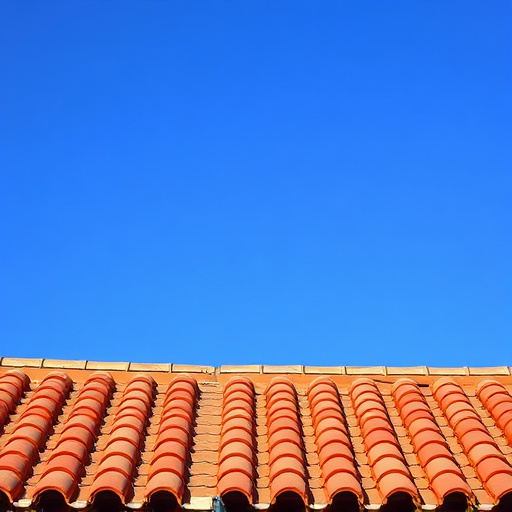
As a homeowner in Tucson, understanding your roof is crucial. It's not just a protective shell against the elements; it's a key component in energy efficiency, comfort, and even the value of your home. Over the decades, Tucson roof styles have evolved, from the iconic flat roofs of mid-century modern homes to the varied designs of today. Each part of your roof matters in its overall functionality. This primer will break down the complex components of a roof-from underlayment and flashing to drainage and pitch-explaining how they work together to keep your home protected and comfortable. By the end, you'll be equipped to make informed decisions about your roofing needs, whether it's a repair, replacement, or a new installation, ensuring your home stands strong against the challenges of our desert climate.
- Understanding Basic Tucson Roof Components
- Roof Structure: Trusses, Joists, and Sheathing
- Tucson Roof Covering Options: Shingles, Metal, More
- Ventilation and Waterproofing: Protecting Your Home
Understanding Basic Tucson Roof Components
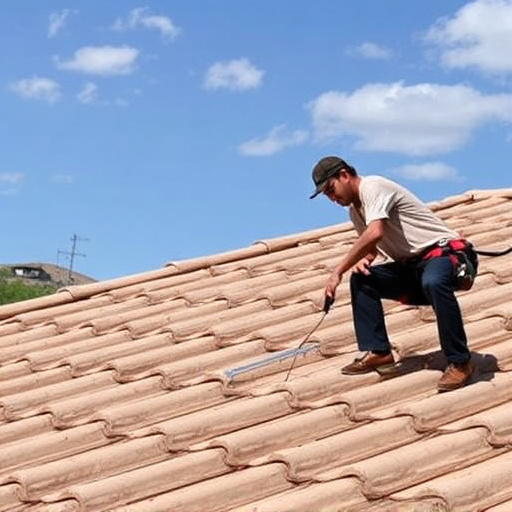
Understanding the components of your roof is crucial for any Tucson homeowner, especially when considering the unique challenges and opportunities presented by our region's climate and local architectural trends. Let's break down the basic parts that make up a roof and how they collaborate to protect your home, drawing insights from the diverse roofing styles seen across Tucson, Oro Valley, Sahuarita, and Green Valley over the decades.
A roof's primary function is to shield your home from the elements, particularly the intense sun and occasional storms. It's composed of several key elements. The outer layer, typically made of asphalt shingles, is designed to withstand high winds and provide a durable, weather-resistant barrier. In Tucson, where energy efficiency is a priority, reflective or energy-efficient shingles can also help reduce cooling costs by reflecting sunlight. The underlayment, a layer beneath the shingles, provides additional protection against moisture and insulation, crucial for maintaining comfort and minimizing damage from water leaks. Flashing, often made of metal, seals joints and penetrations, preventing water from seeping into your home.
Roof drainage is another critical aspect, designed to direct rainwater away from your foundation. This system includes gutters, downspouts, and roof valleys, all working together to channel water off the roof and away from your home. Proper drainage is essential not only for preventing water damage but also for maintaining the integrity of your roof and reducing the risk of leaks. In areas like Sahuarita and Green Valley, where higher elevations can bring more intense rainfall, a well-designed drainage system is even more vital.
As you consider roof replacements or repairs, keep in mind the unique roofing styles prevalent in different decades. Mid-century modern homes in certain parts of Tucson might feature flat roofs, which require specific maintenance and considerations, such as regular inspections for signs of water pooling. In contrast, newer constructions in Marana and Vail often showcase complex rooflines and varied materials, reflecting contemporary design trends and architectural preferences. A licensed Tucson area roofing contractor can offer expert guidance tailored to your home's specific needs, ensuring your roof not only looks great but also performs optimally for the long term.
Roof Structure: Trusses, Joists, and Sheathing
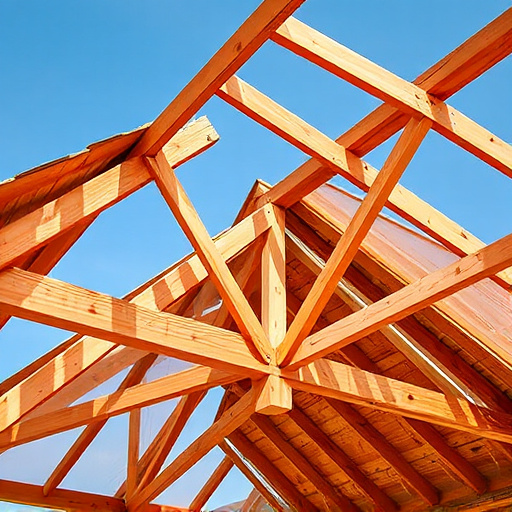
The structure of a roof is a complex system of components working in harmony to protect your home. At its core, a roof comprises several critical parts, especially in the Tucson area where diverse roofing styles have evolved over the decades. Understanding these elements is crucial for homeowners, especially when considering repairs, replacements, or even a new installation. Let's examine the essential components that make up a roof, focusing on trusses, joists, and sheathing-the backbone of any roofing system.
In most residential roofs, trusses serve as the primary structural support, replacing the traditional rafter system. These engineered components are designed to span across the building, supporting the sheathing and covering. Trusses come in various types, from simple A-frame to more complex styles, each offering unique advantages for different Tucson roof styles by decade. The modern, sleek lines of mid-century modern homes often feature open-truss designs, while traditional Adobe-style homes might have sturdier, more solid trusses. The choice of truss type depends on the building's design, span, and local building codes.
Roof joists, typically made of wood, rest on top of the trusses and form the subfloor of the roof. They provide a solid foundation for the sheathing and any finishing materials. The spacing of joists is crucial, as it affects the overall stability and load-bearing capacity of the roof. A licensed Arizona roofer recommends adhering to local building codes and engineering guidelines for joist spacing, as it varies based on factors like roof pitch, local weather conditions, and the type of roofing materials used. Steeper-pitched roofs in the Tucson area often have closer joist spacing for enhanced drainage and snow load resistance.
The sheathing, or deck, is the outer layer of the roof structure, serving as the base for the finishing materials. It provides a smooth surface for nailing the shingles or tiles and contributes to the overall strength and durability of the roof. Traditional sheathing materials include plywood or oriented strand board (OSB). The sheathing is attached to the joists, creating a solid surface for the next layer, which could be a layer of underlayment and the final roofing material, such as asphalt shingles or metal. Proper roof decking is essential, as it not only ensures a leak-free home but also contributes to the overall energy efficiency, especially in the hot Tucson climate.
Tucson Roof Covering Options: Shingles, Metal, More
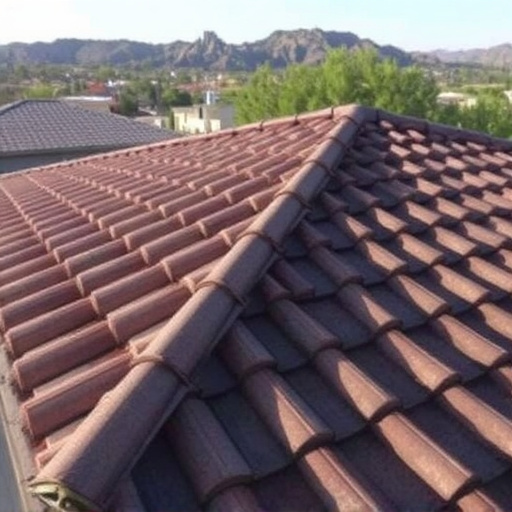
In Tucson, selecting the right roof style is crucial not only for aesthetics but for functionality in our distinct desert climate. Over the decades, the region has seen a shift in roofing preferences, reflecting changes in technology, energy efficiency goals, and local design trends. In this environment, homeowners have a variety of Tucson roof styles by decade to choose from, each offering unique advantages and considerations.
Traditional asphalt shingles remain popular due to their affordability and ease of installation. They are suitable for many Tucson homes, providing a reliable barrier against the elements. However, as energy efficiency becomes a priority, concrete tile roofing has gained traction. This durable option not only enhances a home's curb appeal but also offers superior insulation, helping to keep homes cool during scorching summer days, which is vital in our climate. A local roofing company serving Tucson and Oro Valley often recommends concrete tile for its longevity and low maintenance requirements.
Moving beyond conventional choices, metal roofing has also found its place in Tucson. Its ability to withstand high winds and intense sunlight makes it ideal for areas prone to severe weather. Metal roofs are also highly reflective, which can reduce heating costs, a significant factor in our desert environment. While initially more expensive, metal roofing's durability and low maintenance can make it a sound investment for Tucson homes.
Each roof style contributes to the unique character of Tucson homes while playing a critical role in protecting against water damage, energy bills, and desert wildlife. Understanding these components and their interaction is essential for any homeowner. By weighing factors like climate, budget, and personal style, Tucson residents can make informed decisions about their roof, ensuring it not only enhances their home's value but also serves as a reliable shield against the elements.
Ventilation and Waterproofing: Protecting Your Home
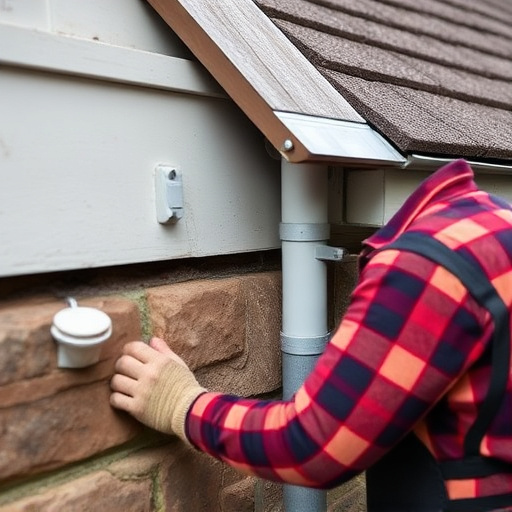
Protecting your home from the elements starts with a robust roofing system, one that effectively manages water flow and prevents damage from UV exposure. In Tucson, with its unique climate and diverse roof styles by decade, understanding these key components is essential for any homeowner. Let's examine ventilation and waterproofing, two crucial aspects that ensure the longevity and energy efficiency of your roof.
Ventilation matters in maintaining a comfortable indoor environment. Adequate airflow helps regulate temperature, reducing the burden on your air conditioning system. Proper ventilation also mitigates moisture buildup, which can lead to mold and mildew issues. A licensed Arizona ROC contractor recommends incorporating vents into your roof design, especially in the attic space. These vents can be passive, relying on natural convection, or active, powered by fans. Active ventilation is beneficial for extreme climates like ours, helping to expel hot air and prevent standing water on the roof surface.
Waterproofing is another critical element, especially for protecting your investment from the harsh desert conditions. This involves a multi-layered defense against water intrusion. The foundation begins with a quality underlayment, a thin layer of material installed under the shingles that provides an extra barrier against leaks. For added protection, many homeowners opt for a secondary underlayment, such as a synthetic material, over the primary. This added layer can be particularly beneficial in areas prone to high winds and heavy rain. Flashing, those thin strips of material around roof penetrations like chimneys and vents, seals these areas, preventing water from seeping in.
For long-lasting protection, consider the benefits of standing seam metal roofing. This style, popular in modern Tucson homes, offers superior waterproofing due to its interlocking panels. The panels' design and the use of high-quality fasteners create a robust barrier against the elements, including intense UV exposure. By reflecting sunlight, metal roofing can also help reduce energy bills, making it a smart choice for our region. Regular inspections and prompt repair of any damage are key to maintaining the integrity of your roofing system, regardless of the style or materials used.
Frequently Asked Questions About a Homeowner Primer on the Parts of a Roof and How They Work Together
What are the main components of a roof? A typical roof comprises several key elements: the roof deck (a solid surface made of wood or plywood), underlayment (a protective layer that prevents water seepage), shingles or tiles (the outer layer that provides weather protection), flashing (metal pieces that seal joints and prevent water intrusion), vents (allow air circulation to reduce moisture buildup), and gutters (direct rainwater away from the foundation). These components work together to shield your home from the elements.
How do shingles protect a roof? Shingles, whether asphalt, wood, or tile, serve as the first line of defense against weather conditions. They are designed to withstand high winds, heavy rain, and even extreme temperatures. The granular surface of asphalt shingles provides traction to prevent slipping, while the underlayment ensures that water cannot seep through small gaps. Regular maintenance, like replacing missing or damaged shingles, is crucial for maintaining a robust roof.
What is the purpose of flashing on a roof? Flashing is a thin layer of metal or synthetic material installed in areas where a roof meets other structural elements, like walls, chimneys, or vents. Its primary function is to seal these intersections, preventing water from seeping into the attic or walls. Properly installed flashing is vital for the long-term integrity of a roof system.
Why are roof vents important? Roof vents play a crucial role in maintaining optimal indoor air quality and temperature control. They allow hot air to escape during summer months, reducing the load on air conditioning systems, and prevent the buildup of moisture, which can lead to mold and mildew. Proper ventilation also helps extend the lifespan of a roof by reducing pressure and temperature fluctuations.
How often should I inspect my roof? Regular roof inspections are essential, ideally performed at least twice a year. Homeowners should look for signs of damage, such as missing or curled shingles, water stains, or peeling paint. Early detection of issues can prevent more significant, costly problems down the line. Professional roofers can provide thorough inspections and maintenance recommendations tailored to your specific roof type.
Understanding the various components of a roof and their intricate interactions is crucial for any Tucson homeowner. From the structural framework of trusses and joists to the protective layers of sheathing, ventilation, and waterproofing, each element matters in the overall performance and longevity of a roof. By familiarizing yourself with these components, you gain the knowledge to make informed decisions about roof maintenance and replacement, ensuring your home stays protected for years to come.
In terms of Tucson roof styles by decade, the city's architectural landscape has evolved, reflecting changing design trends. From traditional pitched roofs to modern flat and low-slope designs, each style requires specific considerations regarding material choice, drainage, and ventilation. By understanding these variations, homeowners can not only enhance the curb appeal of their properties but also make practical choices that align with the region's unique climate and environmental conditions.
This primer equips you with a solid foundation in roof terminology and functionality. Armed with this knowledge, you're better prepared to navigate the roofing landscape, whether it's selecting suitable materials, recognizing potential issues, or discussing options with a local roofing contractor, like DC Roofing of Arizona.
Tucson Roofs: Understanding Styles, Components, and Protection
Tucson roofs protect homes from intense sun and storms. Key components include:
- Outer Layer: Asphalt shingles for durability, or energy-efficient/reflective shingles for cooling.
- Underlayment: Provides moisture barrier and insulation.
- Flashing: Seals joints, prevents water seepage.
- Drainage: Gutters, downspouts, valleys direct rainwater away from the home.
Tucson Roof Styles by Decade:
- Mid-century modern: Flat roofs require regular inspections for water pooling.
- Newer constructions: Complex rooflines, varied materials.
Critical Components and Considerations:
- Trusses: Primary structural support, come in various types.
- Joists: Wood, spaced per building code and roof pitch.
- Sheathing: Plywood or OSB, provides base for finishing materials.
Ventilation and Waterproofing:
- Ventilation: Regulates temperature, mitigates moisture buildup.
- Waterproofing: Multi-layered defense includes underlayment, flashing, and standing seam metal roofing.
Practical Takeaways:
- Regular inspections and prompt repairs are vital.
- Choose materials based on climate, budget, and personal style.
- A licensed roofing contractor offers expert guidance tailored to your home's needs.