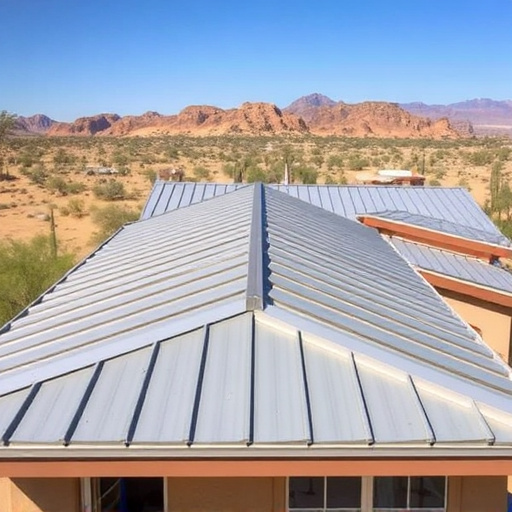
In the desert heat of "terms glossary," a home's roof is more than just a protective shield; it's a key player in energy efficiency, comfort, and even home value. Understanding how your roof performs is crucial, especially considering that roofs shed water naturally, and this process directly impacts your living environment. The way a roof is designed and constructed affects how it keeps your home cool, the energy it consumes, and the potential for water damage or leaks. This article examines these dynamics, offering insights on various roofing styles, their impact on your wallet and comfort, and how to make informed decisions for your "Tucson" home. By the end, you'll be equipped to make choices that enhance both your living space and your financial well-being.
- Understanding Roofs' Role in Energy Efficiency
- Comfort and Ventilation: The Roof's Impact
- How Roofs Shed Water Naturally: Key to Home Protection
- Home Value: The Long-Term Benefit of Quality Roofing
Understanding Roofs' Role in Energy Efficiency
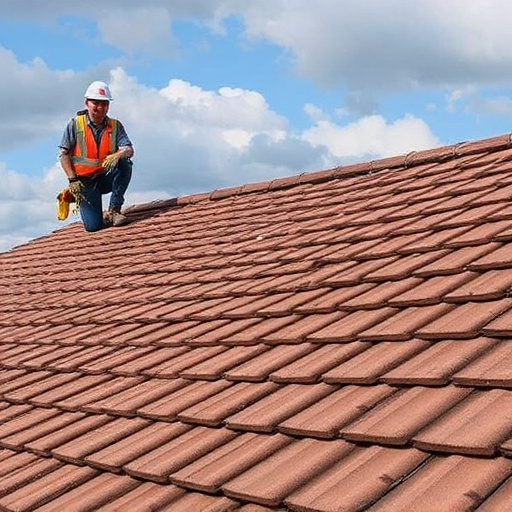
Roofs play a crucial role in the energy efficiency of your home, significantly impacting your energy bills and overall comfort. In Pima County, including Tucson, Oro Valley, and Marana, understanding how your roof contributes to these factors is essential for making informed decisions. One of the primary ways a roof affects your home is through its ability to shed water naturally, which is critical for preventing water damage and leaks.
Asphalt shingles, a common roofing material in the region, offer a practical solution for energy efficiency. Their reflective properties help reduce the amount of heat absorbed from the sun, keeping your home cool during the hot summer months. This natural cooling effect can lead to substantial savings on air conditioning costs. A well-designed roof with proper insulation and underlayment acts as a barrier against extreme temperatures, maintaining a comfortable indoor climate year-round.
When considering the long-term benefits, a roofer with an Arizona ROC license recommends investing in quality roofing materials like clay tiles. These durable tiles not only add aesthetic appeal to your home but also provide superior heat resistance and insulation. In Tucson, where the climate can be demanding, a well-installed clay tile roof can significantly reduce energy consumption. Homes with clay tile roofs often experience lower energy bills and improved indoor comfort compared to those with less efficient roofing systems. This long-lasting solution not only enhances your home's value but also contributes to a more sustainable and cost-effective living environment.
Comfort and Ventilation: The Roof's Impact
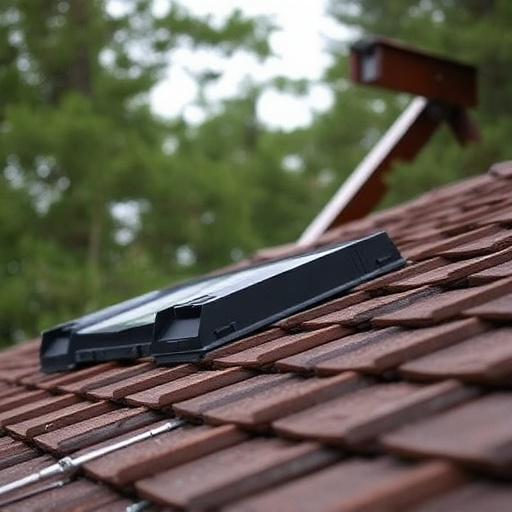
The design and materials of a roof play a crucial role in maintaining comfortable indoor temperatures and managing energy costs. A well-constructed roof acts as a protective barrier, shielding the home from the elements and regulating interior temperatures. This natural insulation property significantly impacts energy efficiency, reducing heating and cooling expenses.
In warm climates like ours, effective ventilation is key to comfort. A licensed Arizona roofer can recommend and install roofing systems that promote natural ventilation, expelling hot air and improving air circulation. Standing seam metal roofs are popular choices due to their sleek design and ability to create air pockets, enhancing airflow. The reflective surface also helps in reflecting heat, keeping the home cooler during summer months. Similarly, concrete tile roofs are known for their durability and high thermal mass, absorbing and slowly releasing heat, thus reducing the need for excessive air conditioning.
Proper roof drainage, a fundamental aspect of roofing design, is another critical factor in maintaining comfort and energy efficiency. Efficient water shedding, achieved through sloped roofs and adequate flashing, prevents water damage and leaks, which can significantly impact indoor comfort. By ensuring water flows away from the structure, a roof's natural ability to shed water becomes a key component in minimizing potential structural and health issues associated with excessive moisture. This, in turn, contributes to a more comfortable living environment and maintains the overall home value.
How Roofs Shed Water Naturally: Key to Home Protection
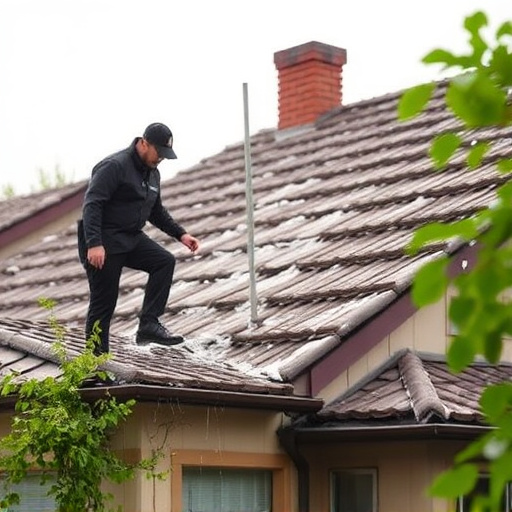
Roofs serve a critical purpose beyond aesthetic appeal-they are the first line of defense against the elements, including water. Understanding how roofs shed water naturally is essential for safeguarding your home in the arid climate of Pima County, Arizona. This natural water management system is a key factor in energy efficiency, comfort, and home value.
The typical roof is designed with several components that work together to repel water. Architectural shingles, a popular choice for their durability and aesthetic appeal, are installed in a way that mimics the slope of the roof, allowing water to run off efficiently. Underlayment, a protective layer beneath the shingles, provides an extra barrier against leaks, while flashing, strategically placed at points where the roof meets other structures, prevents water from seeping into joints and seams.
Proper roof drainage is a critical aspect of how roofs shed water naturally. Well-designed drainage systems, such as gutters and downspouts, direct rainwater away from the foundation, reducing the risk of water damage and leaks. A licensed Arizona roofer, with their expertise in local building codes and roofing styles, can ensure that your roof is not only aesthetically pleasing but also optimized for water shedding and overall home protection. In southern Arizona, where the sun's intensity can be extreme, choosing the right roofing materials and design can make a significant difference in a home's energy bills and comfort levels.
Understanding the natural water management capabilities of your roof can also help you make informed decisions about maintenance and upgrades. If your roof is older and made from materials less adept at shedding water, replacing it with more modern, water-resistant architectural shingles could significantly reduce the risk of water-related damage. This, in turn, can enhance your home's energy efficiency by preventing heat gain through the roof and contribute to better indoor comfort, especially in the hot summer months.
Home Value: The Long-Term Benefit of Quality Roofing
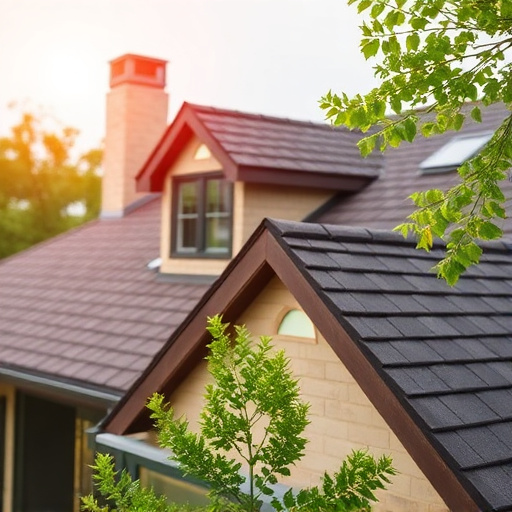
The long-term value of a home is significantly influenced by its roof-a factor that goes beyond mere aesthetics. A well-installed and maintained roof acts as a protective barrier, not only shielding your property from the elements but also playing a crucial role in energy efficiency and home value. In Tucson, where extreme weather conditions can vary from scorching summers to sudden, powerful storms, a quality roof is not just a necessity but an investment.
One of the key factors that contributes to a roof's longevity and its impact on your home's value is its ability to efficiently shed water. Through natural slopes and proper drainage, a well-designed roof prevents water accumulation, which is critical in preventing leaks and water damage. This is particularly important in Tucson's unique climate, where intense rainfall can occur suddenly. A roof with adequate pitch and properly installed flashing, like that provided by a licensed Tucson area roofing contractor, can effectively direct rainwater away from the structure, prolonging the life of the roof decking and underlying insulation.
When considering long-term benefits, the addition of spray polyurethane foam (SPF) underlayment can be a major improvement. SPF not only enhances the insulation properties of the roof, making your home more energy-efficient, but it also acts as a secondary barrier against water intrusion. In the event of a leak, the foam's closed-cell structure helps to contain the damage, further protecting your home's value. This is especially beneficial in areas like Marana and Oro Valley, where varying climate conditions can put additional stress on roofing systems. Regular maintenance, including inspecting and replacing damaged or missing shingles, is also crucial. By keeping your roof in top condition, you not only maintain comfort but also ensure your home remains a valuable asset.
Frequently Asked Questions About an explainer on how roofs affect energy bills, comfort and home value
What is the primary role of a roof in a home? A roof is the protective barrier between your home and the elements. It prevents heat gain in summer, heat loss in winter, and blocks rain, snow, and debris. By regulating indoor temperature, a well-installed roof significantly impacts energy efficiency, comfort, and can even extend the life of your home.
How does a roof impact energy bills? A roof's quality and insulation play a direct role in your energy bills. A poorly insulated roof can lead to significant heat loss in colder months, increasing your heating costs. Conversely, in warmer seasons, a hot roof can make air conditioning less efficient.
What are the signs my roof needs replacing? Over time, a roof deteriorates due to weather exposure, age, and materials. Signs of wear include missing or damaged shingles, leaks, visible damage to underlayment, and increased energy bills. If you notice these issues, consult a professional roofer for an inspection.
How does roof material affect home value? Roof materials impact both the appearance and durability of a home, which are key factors in property value. Metal, tile, and high-quality shingles increase curb appeal and longevity, potentially raising your home's value by 5-15%. Conversely, a roof in poor condition can decrease a home's value.
Are there tax incentives for energy-efficient roofs? Yes, many governments offer tax credits and deductions for homes with energy-efficient features, including roofing. The exact benefits vary by region, so consult local authorities or a tax professional. Investing in an energy-efficient roof can provide financial returns beyond reduced utility bills.
How does a roof's pitch affect energy efficiency? The slope or pitch of a roof influences air circulation and heat absorption. Steeper roofs often perform better, as they shed snow and heat more efficiently. However, in regions with high winds, a shallower pitch can help reduce structural stress. A roofing expert can recommend the optimal pitch for your location.
Understanding the multifaceted role of a roof in your home's energy efficiency, comfort, and overall value is crucial. By examining the various components that make up a roof, from the material used to the underlayment and flashing, homeowners can make informed decisions that go beyond aesthetics. We've seen that energy-efficient roofs, like those made from modern, reflective asphalt shingles, can significantly reduce energy bills. Proper roof drainage, a key aspect of how roofs shed water naturally, is essential for preventing water damage and leaks, safeguarding both the structure and comfort of your home.
Investments in quality roofing materials and techniques translate directly into increased home value, a benefit that can be realized over the long term. Comfort is another critical factor, with adequate ventilation and insulation enhancing indoor living standards. As we explored, different roof styles in southern Arizona, from mid-century flat roofs to traditional pitched designs, offer unique advantages tailored to the local climate and landscape, including considerations for desert wildlife and outdoor living spaces.
Moving forward, homeowners should consider the practical applications of these insights. When planning a new build, renovation, or even a simple re-roofing project, consult with experienced local professionals who can guide you through the latest roofing technologies and styles suitable for your home. Remember, a well-maintained roof is not just a structural element but an active contributor to the comfort, energy efficiency, and long-term value of your home in the "terms glossary" of Tucson, Oro Valley, and beyond.
Roofs are critical to energy efficiency, comfort, and home value. They protect against water damage by efficiently shedding water through design, materials, and proper drainage, like sloped roofs and flashing. In Pima County, materials like asphalt shingles and clay tiles offer natural cooling and superior insulation, lowering energy bills. Quality roofing systems, recommended by licensed local roofers, enhance comfort, reduce air conditioning costs, and increase home value, especially in Tucson's demanding climate. Regular maintenance is key to maintaining these benefits and protecting your investment.