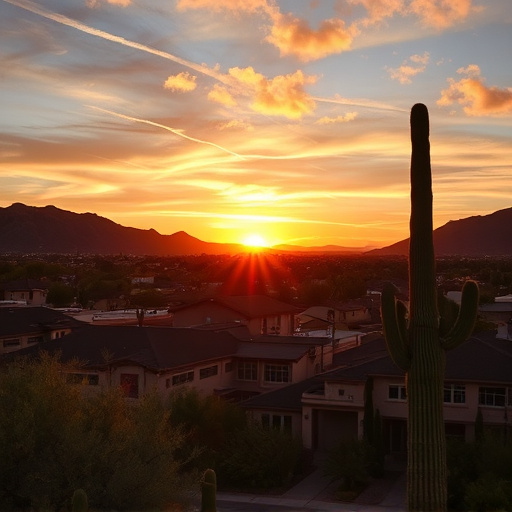
In the scorching sun of southern Arizona, a well-designed roof is more than just a shelter; it's a critical component of your home's energy efficiency and overall comfort. As new builds dot the landscape, understanding the roofing options and their impact on your home's value and longevity is crucial. This guide is your authoritative companion, offering insights into the parts of a roof, how it sheds water, and the diverse roofing styles found in Tucson, Oro Valley, and Marana. We'll explore the impact of roof color on heat absorption, the importance of underlayment, and even the unique challenges and benefits of roofing for adobe and manufactured homes. Get ready to discover the secrets behind robust, efficient, and aesthetically pleasing roofs on new build homes in our part of Arizona.
- Planning and Design: Choosing the Right Roof for New Builds
- Material Selection: Natural Options for Southern Arizona Homes
- Installation Process: Step-by-Step Guide for New Roofs
- Maintenance and Repairs: Extending the Lifespan of Your Roof
Planning and Design: Choosing the Right Roof for New Builds

When planning and designing a new build in southern Arizona, selecting the right roof is a critical decision that impacts both the aesthetics and functionality of your home. The choice of roof can significantly affect energy efficiency, water management, and even the resale value of your property. Let's explore the key considerations for roofs on new build homes in this region, focusing on practical aspects that Tucson and Oro Valley homeowners should keep in mind.
In southern Arizona, the climate presents unique challenges and opportunities. The intense sun and occasional rainfall demand a roof that can withstand extreme conditions while providing effective insulation and protection. A low-pitch roof may be suitable for areas with consistent wind patterns, as it allows for better airflow. However, in regions like Marana or Vail, where rainfall is less frequent but intense, a steeper roof pitch can help water shed quickly, reducing the risk of water damage. A roofer with an Arizona ROC license can guide you in choosing a pitch that balances these factors.
For materials, clay tile roofs have long been a popular choice in the region. They are known for their durability, low maintenance, and exceptional heat resistance, making them well-suited for the desert climate. Clay tiles also offer a distinctive aesthetic that can enhance the curb appeal of your home. However, it's essential to consider factors like installation cost and regional availability. In Green Valley or Sahuarita, where real estate trends vary, a roofer can advise on cost-effective alternatives that still align with the local architectural style.
Modern roofing technology offers innovative options like energy-efficient roofing systems. These systems incorporate reflective materials or specialized underlayments to reduce heat absorption, lowering energy bills and improving indoor comfort. This is particularly valuable in maintaining a cool home during the scorching summer months. By carefully considering these design elements, you can ensure that your new build home has a roof that not only looks great but also performs optimally in the unique conditions of southern Arizona.
Material Selection: Natural Options for Southern Arizona Homes

When selecting materials for new build homes in southern Arizona, homeowners and builders have a variety of options that can enhance energy efficiency, comfort, and home value. The choice of roofing material matters in achieving these goals, particularly in a climate characterized by intense sunlight and fluctuating temperatures. In this environment, natural options offer both functional and aesthetic advantages.
One popular and sustainable choice is a cool roof. Cool roofs are designed to reflect rather than absorb solar energy, significantly reducing the amount of heat transferred into the home. This simple yet powerful feature can lower energy bills and contribute to a more comfortable living environment. A local roofing company serving Tucson and Oro Valley can guide homeowners in selecting the right cool roof system, such as spray polyurethane foam (SPF), which offers exceptional insulation and durability. SPF roofs are lightweight, easy to install, and can extend the lifespan of a roof, making them a practical choice for new builds.
Incorporating natural materials like clay or concrete tiles can provide a timeless aesthetic while also offering excellent protection against the elements. These tiles are known for their durability and ability to withstand the region's extreme conditions. A traditional Spanish-style roof with clay tiles can add character to a home while maintaining a consistent temperature inside. In contrast, a flat roof constructed with a high-performance membrane can be an efficient option, especially when combined with reflective coatings to enhance energy efficiency.
When choosing materials for roofs on new build homes in southern Arizona, it's essential to consider the local climate, architectural style, and individual preferences. A well-selected roofing system not only enhances the curb appeal but also contributes to the overall sustainability and value of the home.
Installation Process: Step-by-Step Guide for New Roofs
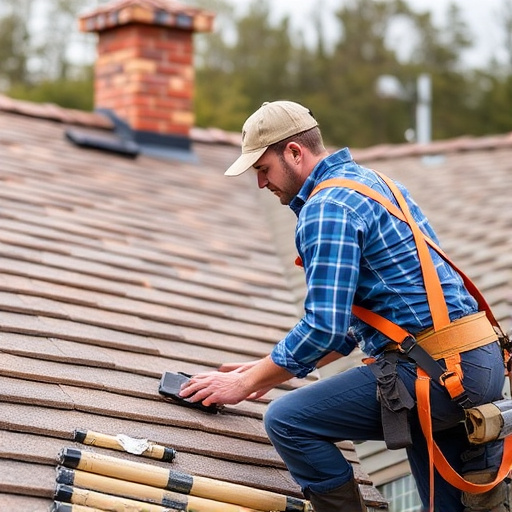
When installing a new roof on a home in southern Arizona, like in Vail, Green Valley, or Marana, the process involves several steps designed to ensure a durable, energy-efficient, and aesthetically pleasing finish. First, a roofer with an Arizona ROC license will assess the existing roof structure and remove the old roofing materials, taking care to protect the home from debris and water damage during this phase. This involves carefully taking apart the old roof, inspecting the underlayment, and repairing or replacing any damaged or missing components.
Next, the preparation stage includes setting the roof's pitch-the angle at which the roof slopes-to suit the local climate and the home's architectural style. A steeper pitch can help shed water more efficiently in the region's frequent rainfall, while a shallower pitch can enhance energy efficiency. Once the pitch is set, the underlayment-a protective layer that adds extra insulation and water resistance-is installed. This is followed by the placement of roof sheathing, which provides a solid base for the shingles.
The actual roofing material installation is a meticulous process. In southern Arizona, architectural shingles are a popular choice for their durability, impact resistance, and aesthetic appeal. The roofer will start from the bottom edge of the roof, securing each shingle with nails and ensuring proper overlap. This method, known as the "start from the bottom" technique, allows for better water runoff and helps prevent leaks. Finally, the roofer will add flashing around the roof's edges and vents, providing an extra layer of protection against water intrusion, especially in areas with higher elevations or intense sun exposure. This step-by-step process ensures a new roof that not only enhances the home's curb appeal but also offers long-term protection against the region's unique environmental conditions.
Maintenance and Repairs: Extending the Lifespan of Your Roof

The lifespan of a roof in southern Arizona, like anywhere, depends on thoughtful maintenance and timely repairs. In this harsh climate, with its intense UV exposure and occasional storms, roofs on new build homes require extra care to ensure longevity. A well-maintained roof not only protects your home from the elements but also significantly impacts energy efficiency and home resale value.
Regular inspection is the cornerstone of roof maintenance. Look for signs of wear and tear, such as curled or missing shingles, rusted flashing, or moisture stains. Addressing these issues promptly prevents small problems from escalating into costly repairs. A damaged underlayment, often the first line of defense against water intrusion, can be easily inspected during a routine checkup. DC Roofing of Arizona, a local roofing contractor specializing in the Tucson area, recommends inspecting your roof at least twice a year and after severe weather events.
When repairs are necessary, understanding the components of your roof is crucial. The underlayment, a protective layer beneath the shingles, matters in preventing water damage. Flashing, strategically placed metal strips, seals joints and prevents water from seeping into the roof deck. In areas with high UV exposure, consider using reflective shingles or coating the roof to reduce heat absorption and lower cooling costs. For homes with standing seam metal roofing, regular cleaning and inspections are key, as debris buildup can compromise the sealants and fasteners.
Proactive maintenance, including regular cleaning and repairs, extends the lifespan of your roof and ensures its continued protection against the unique challenges posed by southern Arizona's climate. By staying attuned to your roof's condition, you invest in the long-term value of your home and peace of mind.
Frequently Asked Questions About a general guide to roofing for homes across southern Arizona
What materials are best for roofing in southern Arizona's climate?
In this arid climate, choosing durable, reflective materials is key to efficient cooling and energy savings. Metal roofing, particularly aluminum or copper, is highly recommended. These materials withstand extreme temperatures, are resistant to rust and corrosion, and offer excellent longevity. Tile roofs are another popular choice due to their ability to reflect sunlight, reducing the home's interior heat gain. Shingles made from asphalt or fiber cement are also suitable, providing a cost-effective option that still offers decent durability.
How do I know if my roof needs replacing?
Several signs indicate a roof may need replacing. Common indicators include missing or damaged shingles, leaks, discolored or curled roofing materials, and visible damage from storms or extreme weather. If your roof is more than 15 years old, it's worth considering a replacement to ensure better energy efficiency and protection against potential structural damage. Regular inspections by a licensed contractor can also help identify potential issues early on.
What is the best time of year to install a new roof?
The best time to install a new roof in southern Arizona typically falls between April and October. During this period, weather conditions are generally more favorable for roofing work. The warmer temperatures allow for faster drying of materials, and the lower chance of severe storms makes the process safer and more efficient. Avoiding the winter months is crucial as cold weather can slow down the installation process and lead to potential freezing issues with certain materials.
How long does a typical roof installation take?
Most roof installations in southern Arizona can be completed within 1 to 2 days, depending on the size of the roof and the complexity of the project. This timeline includes the removal of the old roof, preparing the new underlayment, and installing the new roofing materials. Complex roofs with additional features, such as solar panels or custom designs, may take slightly longer.
What is the average cost of roofing in southern Arizona?
The average cost of roofing in southern Arizona varies depending on the materials used, the size of the roof, and the complexity of the installation. Generally, you can expect to pay between $75 and $150 per square foot. For a typical single-story home, this translates to a range of $15,000 to $30,000 for a complete roof replacement. However, it's essential to obtain several quotes from licensed contractors to get a more accurate estimate tailored to your specific project.
As you've explored this practical guide to roofing for homes across southern Arizona, you've gained valuable insights into choosing, installing, maintaining, and repairing roofs on new build homes. From understanding the energy efficiency and water damage protection offered by different materials to navigating the maintenance landscape, you now possess the knowledge to make informed decisions.
Key takeaways include the importance of roof style alignment with your home's design and the region's climate, the practical benefits of proper insulation and underlayment, and the crucial role of effective roof drainage in preventing water damage. You've also learned about the environmental and economic advantages of natural roofing materials, as well as the significance of flashing and roof pitch in maintaining a home's structural integrity.
Moving forward, consider these practical next steps: consult with local roofing experts to discuss your specific needs, prioritize regular maintenance to extend your roof's lifespan, and explore eco-friendly options that align with southern Arizona's unique characteristics. By doing so, you'll ensure your home has a sturdy, efficient, and beautiful roof that enhances both its value and your comfort.
In southern Arizona, selecting the right roof for new build homes involves considering climate, aesthetics, and functionality. Clay tile roofs are popular for their durability and heat resistance, while modern energy-efficient systems use reflective materials to lower energy bills. Choosing a roof pitch tailored to local conditions, like a steeper pitch for rainfall areas, is crucial. Regular maintenance, including inspections and repairs, extends the lifespan of any roof, enhancing energy efficiency and home value.