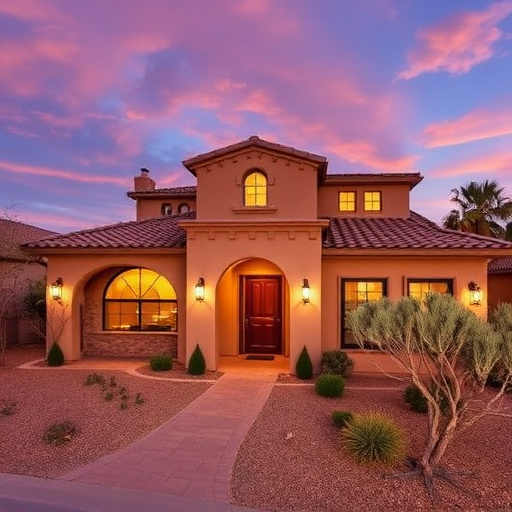
Arizona's diverse climate and wide range of architectural styles make understanding roofing terms essential for homeowners, especially in 55+ communities. Whether you're considering a new roof or maintaining an existing one, knowing the parts of a roof and how they work together is crucial. This comprehensive glossary demystifies common roofing terms, from energy-efficient materials to effective drainage systems. By the end, you'll be better equipped to navigate the roofing process, ensuring your home stays protected and its value remains strong, even in the harshest desert conditions. Let's explain these essential roofing concepts, starting with the basics and exploring how roofs keep our homes comfortable and secure.
- Understanding Basic Roofing Terminology
- Common Roof Types in Arizona Homes
- Maintenance and Common Roof Issues
- Roof Replacement: What to Expect in 55+ Communities
Understanding Basic Roofing Terminology
Understanding Basic Roofing Terminology
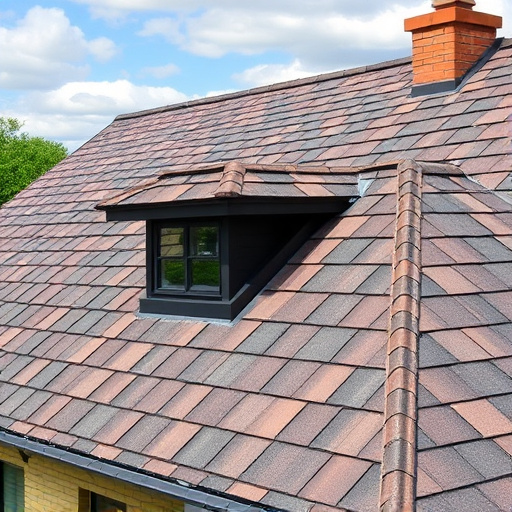
When considering roofing for your 55-plus community home in Arizona, knowing the lingo can be as crucial as understanding energy efficiency or insulation. Terms like underlayment, flashing, and pitch may sound foreign, but they're essential to making informed decisions about the longevity and functionality of your roof. This glossary will demystify common roofing terms, empowering you to communicate effectively with a roofer with an Arizona ROC license and ensure your new or repaired roof meets your needs.
Roofing components, like underlayment, act as a crucial barrier between your home's structure and the elements. It's the layer beneath the shingles, providing extra protection against water damage and leaks, which are significant concerns in any Arizona home, especially in areas like Green Valley. Underlayment helps prevent moisture from penetrating the roof deck, a critical factor in maintaining the structural integrity of your home and keeping energy bills manageable.
Water flows down from your roof, and proper roof drainage ensures it moves away from your home's foundation. This is especially important in regions with intense sunlight and occasional storms, like those experienced in Marana and Vail. A well-designed drainage system, combined with the right roof pitch, helps shed water effectively. A steeper pitch allows water to flow off the roof more quickly, reducing the risk of water damage. The flashing around the roof's edges and vents further reinforces these protections, preventing water from seeping into vulnerable areas.
Common Roof Types in Arizona Homes
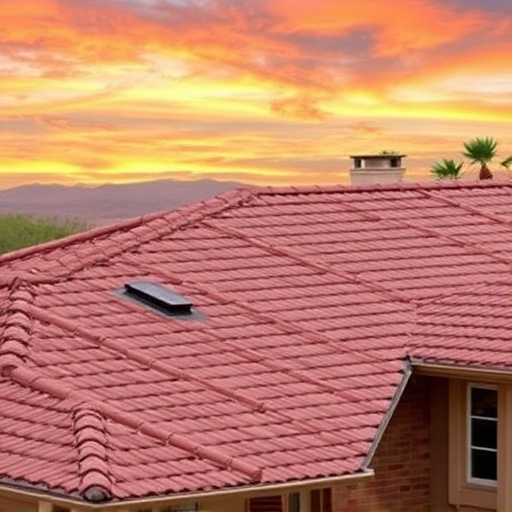
In Arizona, homeowners have a variety of roof types to choose from, each offering distinct benefits tailored to the state's unique climate and architectural styles. Whether you're a first-time buyer or considering a renovation, understanding these roof types is crucial, especially for properties in 55-plus communities where energy efficiency and maintenance are paramount.
One popular choice in Arizona is the architectural shingle, known for its durability and aesthetic appeal. These shingles are designed to mimic the look of traditional shake or tile roofs but offer the advantage of being more weather-resistant and less prone to damage. In Tucson, for example, where homes often face intense sunlight and potential hail storms, architectural shingles are a preferred choice for their longevity. This style is also a smart investment for 55-plus communities, as it can enhance the property's value and provide peace of mind with its superior protection against the elements.
Another key consideration for Arizona homeowners is attic ventilation. Proper ventilation helps regulate indoor temperatures, reducing the load on air conditioning systems. In hot and dry climates like those found in Marana or Vail, this becomes especially important. Poor ventilation can lead to excessive heat buildup, causing discomfort and increasing energy bills. A well-ventilated attic, achieved through roof design and specific vents, can significantly improve the overall energy efficiency of a home. DC Roofing of Arizona often recommends strategic ventilation solutions tailored to the region's specific needs.
For roof styles, Tucson and its surrounding areas showcase a mix of traditional and modern designs. Mid-century flat roofs, for example, are a common sight, offering both a distinct architectural look and excellent drainage due to their low pitch. In contrast, older homes in the city might feature more traditional gable roofs, which, while requiring more maintenance, can add character to a property. For 55-plus communities, choosing a roof style should consider not only aesthetics but also practicality and the community's overall design aesthetic.
Maintenance and Common Roof Issues
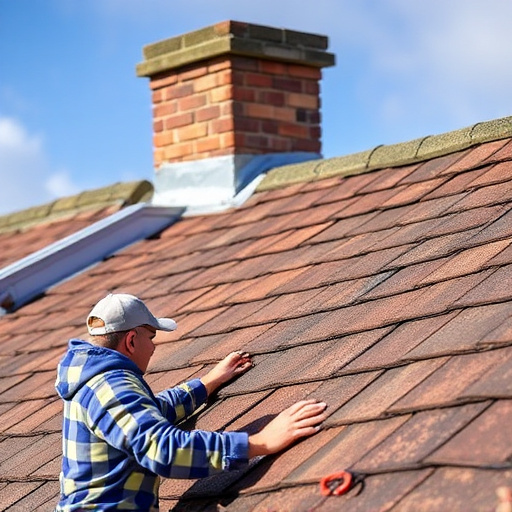
Roof maintenance is a crucial aspect of homeownership, especially in Arizona's unique climate and diverse environments. As homeowners in 55-plus communities often consider long-term living plans, understanding common roof issues and maintenance practices is essential. This section examines practical considerations for roof care, focusing on identifying and addressing problems that might affect these established communities.
One of the primary concerns for any roof is water damage, which can lead to costly leaks. In the arid climate of Arizona, including areas like Vail and the surrounding regions, proper roof drainage is critical. This involves understanding the roof's pitch, or the angle at which it slopes, which determines the speed and direction of water flow. A steeper pitch generally allows for better drainage, but it's essential to ensure that gutters and downspouts are properly installed and maintained to divert water away from the foundation. A poorly maintained roof with blocked gutters can lead to water pooling and potential damage, particularly in the heavy rains that occasionally occur.
Regular inspections are key to catching potential issues early. Homeowners should look for signs of wear and tear, such as missing or damaged shingles, often the first line of defense against the elements. In older homes, or those in areas like Marana and Green Valley with varying weather patterns, the roof decking may need attention. Decking, the underlying layer that supports the shingles, can degrade over time, affecting the roof's overall stability. A roofer with an Arizona ROC license can provide expert advice on decking repairs or replacements, ensuring the roof's longevity. Checking for proper roof underlayment and flashing is crucial, as these components seal the roof and prevent water intrusion.
In 55-plus communities, where homes often have unique architectural styles, including mid-century designs, homeowners should be aware of how the roof contributes to the overall energy efficiency and comfort. Flat or low-pitch roofs, common in certain areas, can be advantageous for reducing heating and cooling costs, but they also require specific maintenance. A flat roof may necessitate regular inspections for signs of moisture buildup, which can indicate a leak or poor insulation. By understanding these nuances, homeowners can make informed decisions about their roof's maintenance and contribute to the overall longevity and value of their properties.
Roof Replacement: What to Expect in 55+ Communities
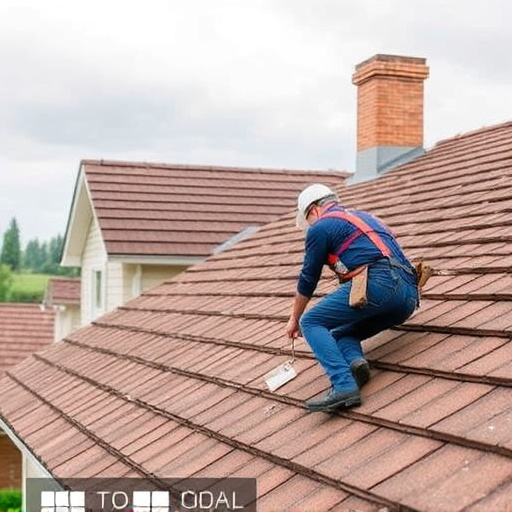
When considering a roof replacement in a 55+ community in Arizona, understanding roofing terms is crucial. Many of these communities feature a mix of styles, from traditional asphalt shingles to more unique materials like clay tile, each with its advantages and considerations. Green Valley, for instance, has seen a surge in the popularity of clay tile roofs due to their durability and distinctive aesthetic appeal.
Roof replacement in these communities involves a few key steps and considerations. First, assessing the roof pitch is essential. A steeper pitch allows for better water drainage, reducing the risk of leaks and water damage-a common issue in the region's desert climate. DC Roofing of Arizona, a local expert, recommends that homeowners in 55+ communities regularly inspect their roofs for signs of wear, especially at higher pitches where debris can accumulate.
The process begins with a detailed assessment, followed by removal of the old roof, and installation of a new underlayment. This underlayment acts as a secondary barrier against water intrusion. After underlayment installation, the new roofing material is chosen based on the homeowner's preferences, budget, and the local climate. Clay tile, for example, offers excellent energy efficiency and can complement the natural landscape, but it requires more meticulous maintenance, such as regular cleaning to prevent mold and algae growth.
Lastly, as 55+ communities often feature many trees and landscaping, proper roof drainage is paramount. A well-designed drainage system ensures water flows away from the home, preventing water damage and contributing to the overall comfort and energy efficiency of the property. Remember, a new roof is a significant investment, and understanding these terms and processes will help ensure a successful and long-lasting replacement.
Frequently Asked Questions About a Plain Language Glossary of Roofing Terms for Arizona Homeowners
What is a roofing term glossary? A roofing term glossary is a collection of commonly used roofing terms, defined in simple, everyday language. It's a handy tool for Arizona homeowners to understand roofing work and communicate effectively with contractors.
Why is a glossary important for homeowners? Understanding roofing terms empowers homeowners to make informed decisions about their property. It helps them ask the right questions, get accurate quotes, and ensure their roof is repaired or replaced properly.
How does this glossary benefit contractors? Contractors appreciate clear communication with clients. Using simple language builds trust and ensures everyone is on the same page. This glossary allows them to quickly explain complex concepts, streamlining the process and potentially saving time and money.
What are some common roofing terms I might encounter? Expect to see terms like underlayment, which is a protective layer beneath the shingles, and flashing, used for sealing joints and edges. Gutters direct rainwater away from the roof and foundation, while soffits are the boards under the roof overhang, providing ventilation.
Can this glossary help me with maintenance? Absolutely! Knowing basic terms can help you identify potential issues. If you notice misshaped or curled shingles, it might indicate damage from the elements. Regularly checking these terms can help maintain your roof's health.
Where can I find more detailed information? For in-depth explanations, consult professional roofing resources or seek advice from a licensed contractor. They can provide specific guidance for your Arizona home, taking into account local weather patterns and building codes.
As homeowners in Arizona consider their roof options, understanding the vocabulary is crucial. This guide has demystified key roofing terms, from basic components like asphalt shingles and underlayment to more specialized concepts like roof drainage and mid-century flat roofs. By familiarizing themselves with these terms, homeowners can make informed decisions about their roof style, maintenance, and replacement, especially when considering a move to a 55+ community.
The article has highlighted the diverse roof styles across the state, from traditional to modern designs, and their unique characteristics. It has also addressed common challenges, like water damage and energy inefficiency, emphasizing the importance of proper maintenance. For those in 55+ communities, understanding roofing needs is essential, as these structures often face distinct challenges and considerations.
This practical guide equips Arizona homeowners with the knowledge to navigate the complex world of roofing. By adopting these insights, residents can ensure their homes remain protected, energy-efficient, and valuable, providing a solid foundation for any future renovation or sale.
Roofing 101 for 55+ Communities in Arizona
- Understand essential terms like underlayment, flashing, and pitch to make informed decisions about your roof's longevity and functionality.
- Roof types vary in Arizona, from architectural shingles to clay tile, each with benefits tailored to the local climate and architectural styles.
- Attic ventilation is key for energy efficiency, especially in hot, dry climates like Marana and Vail.
- Roof maintenance is vital in Arizona's diverse environments. Regular inspections for water damage, wear, and tear are essential, along with proper drainage and underlayment checks.
- Roof replacement in 55+ communities involves assessing pitch, installing underlayment, and selecting suitable roofing materials, like clay tile, while ensuring effective drainage.