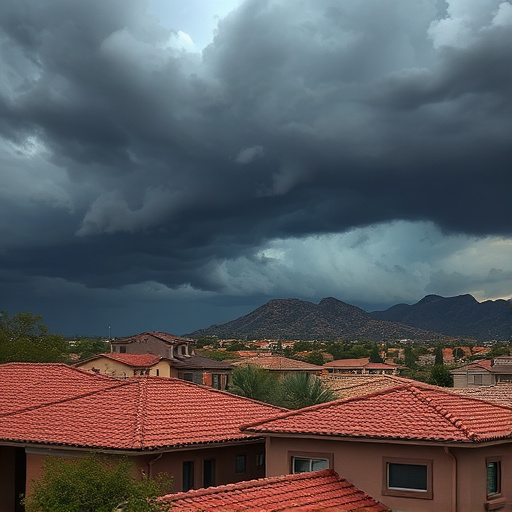
In the rugged, sun-drenched landscape of southern Arizona, roofing isn't just about shelter-it's a crucial component of energy efficiency, comfort, and even home value. Understanding the unique challenges and opportunities presented by our climate is essential for any homeowner. Whether you're living in a historic adobe home, a sleek new build, or something in between, the way your roof sheds water naturally matters in its longevity and performance. This guide will take you through the essentials of roofing, from the parts that make up a roof and how they work together to shed water, to the best practices for maintaining your roof and its impact on your energy bills and home resale value. We'll also dispel some common roofing myths specific to our region, helping you make informed decisions tailored to your home type, from Tucson to Marana and beyond.
- Understanding Roof Types: Adobe to Modern Designs
- Material Matters: Choosing the Right Roof Covering
- The Science Behind Water Runoff: How Roofs Shed Water Naturally
- Installation and Maintenance: Longevity for Every Home Type
Understanding Roof Types: Adobe to Modern Designs
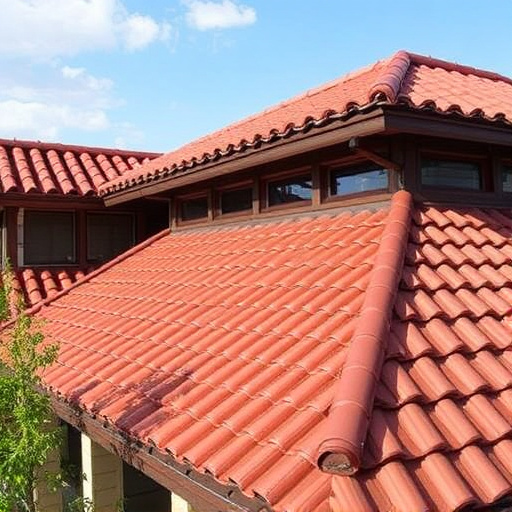
In southern Arizona, the diverse range of home styles presents a unique challenge and opportunity for roofing professionals. Each home type-from traditional adobe to modern designs-has distinct roofing requirements, reflecting not only aesthetic preferences but also structural needs, energy efficiency, and water management. Understanding these variations is crucial for a licensed Arizona roofer when providing expert advice and ensuring the longevity of each structure.
Adobe homes, for instance, are known for their earthy charm and natural cooling capabilities. The thick, rammed-earth walls extend upwards to create a similar effect on the roof, providing excellent insulation and reducing heat gain. For roofing these structures, the focus is on durability and water resistance. Adobe roofs often feature low-slope designs with proper flashing to manage water runoff, preventing potential damage from heavy monsoon rains common in the region. In contrast, modern homes in Oro Valley and other suburban areas typically exhibit more varied roof styles, from pitched roofs with asphalt shingles to flat roofs with solar panels. Each design requires meticulous consideration of drainage, ventilation, and energy efficiency. A pitched roof with a steeper angle allows for better water shedding, reducing the risk of leaks and water damage, a common concern in the region's occasional severe weather events.
The evolution of roof styles in southern Arizona reflects changing design trends and technological advancements. Older homes in Tucson, Marana, and Green Valley often showcase traditional roof forms that blend seamlessly with the surrounding landscapes. As time progressed, mid-century modern designs popularized, introducing flat roofs and clean lines that became a hallmark of the era. Today, new builds in Vail and 55-plus communities showcase a mix of contemporary and efficient roofing solutions, including energy-saving metal roofing and innovative underlayments that enhance insulation and protect against extreme weather conditions, further emphasizing the importance of understanding and adapting to local roofing needs.
Material Matters: Choosing the Right Roof Covering
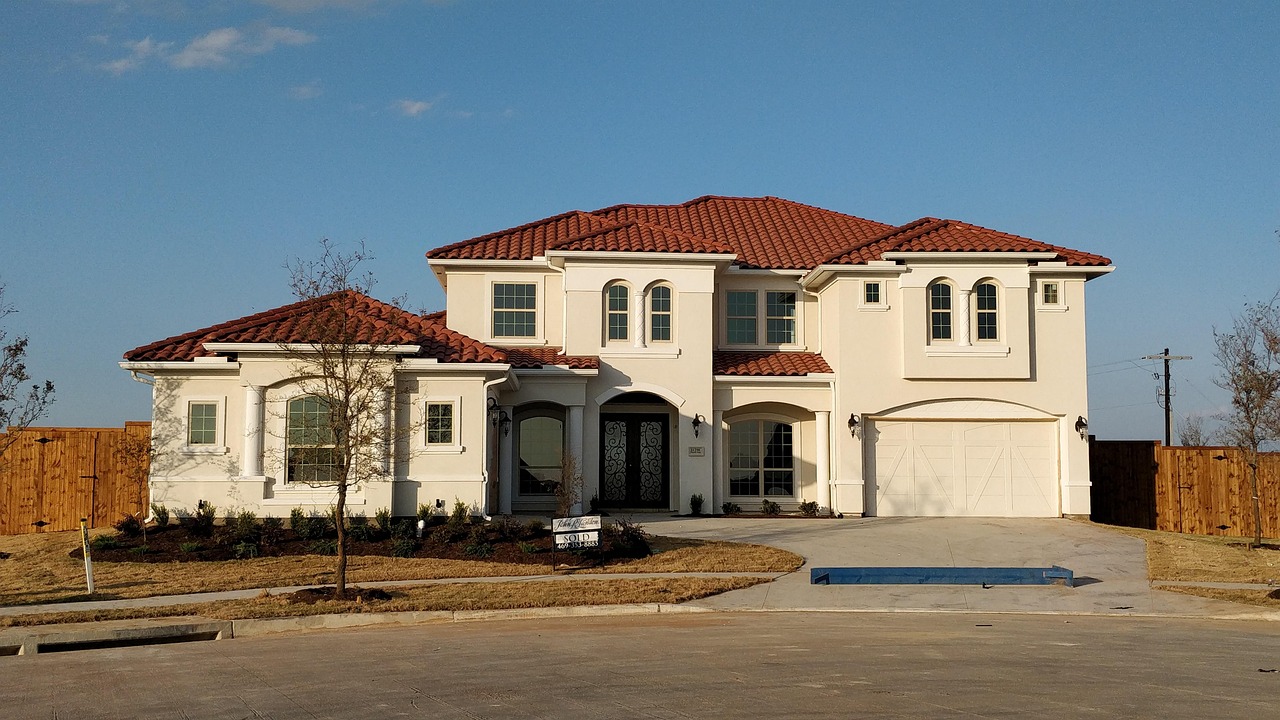
In the arid desert climate, choosing the right roof covering is crucial not just for aesthetics, but for functionality and long-term energy efficiency. How roofs shed water naturally, and their ability to withstand intense UV exposure, are key considerations. Traditional adobe homes, common in the region, require roofing materials that can handle the unique challenges of this environment. Clay or ceramic tiles, known for their durability and ability to absorb and release heat evenly, are excellent choices. They not only complement the architectural style of many Southern Arizona homes but also provide superior protection against water damage, a frequent concern in the desert.
As we move to newer constructions, the selection process evolves. Asphalt shingles, for example, are a popular choice for new builds due to their affordability and ease of installation. They offer excellent water resistance and are designed to withstand high winds, a common occurrence in the area. However, for homes in higher elevations or areas with a significant amount of tree cover, flashing becomes a critical component. It seals the roof edges where they meet the walls, preventing water from seeping in and causing leaks. A roofing contractor serving Pima County, for instance, might recommend additional flashing for homes with extensive canopy trees to protect against potential water damage.
In regions with distinct seasons, like Sonoita and Elgin, understanding roof drainage is paramount. Proper drainage systems, integrated into the roofing design, ensure that water is directed away from the structure, preventing water accumulation and potential structural damage. Canal systems, strategically placed, can aid in this process, but they must be maintained to ensure they don't become blocked by desert debris. This is especially important as the region's climate can shift, leading to heavier rainfall in some years. Choosing materials that naturally shed water and implementing efficient drainage systems can help extend the life of your roof and reduce the risk of costly repairs.
The Science Behind Water Runoff: How Roofs Shed Water Naturally

In southern Arizona, understanding the science behind water runoff is crucial for effective roofing. How roofs shed water naturally varies depending on the home's structure and local climate, especially in diverse regions like Vail, Marana, and the broader area of Pima County. Adobe homes, common in these parts, require specific roofing solutions to manage water runoff and prevent damage due to desert conditions.
The natural water runoff process begins with the roof's surface, which is designed to be slightly inclined, typically 3-6 degrees, allowing water to flow away from the structure. Asphalt shingles, a common roofing material in southern Arizona, are engineered to interlock, creating a protective barrier that efficiently sheds water. This multi-layered system includes underlayment, which provides an extra layer of protection against moisture intrusion, and flashing, crucial components that direct water away from the home's critical points. A roofing contractor serving Pima County can guide homeowners on the best practices for these elements, ensuring water runs off effectively without causing damage.
In regions like Marana and Vail, where new builds are prevalent, modern roofing designs further enhance water runoff efficiency. Flat roofs, for example, often incorporate integrated drainage systems that channel water to specific outlets, minimizing surface runoff. Homeowners in these areas benefit from energy-efficient roofing options that double as effective water management systems. Understanding how roofs shed water naturally, from the slope of the structure to the materials used, is key to maintaining a home's integrity and value in the face of southern Arizona's unique climate.
Installation and Maintenance: Longevity for Every Home Type

For roofing, the installation and maintenance choices you make can greatly impact the longevity of your home's protection against the elements. Every home type, from historic adobe structures to modern builds, has unique requirements to ensure a roof that effectively sheds water naturally and protects against potential damage. In southern Arizona, including areas like Sahuarita and Tucson, where desert conditions can be harsh, the right roofing materials and techniques are crucial.
An Adobe home, with its traditional mud bricks, requires a roofing system that can withstand the region's high temperatures and minimal rainfall. Clay tile roofs are a popular and durable choice, offering excellent water resistance and a natural aesthetic that complements the home's unique character. The installation process involves precise placement and securing of each tile, ensuring proper drainage and minimal water penetration. Regular maintenance includes checking for loose or damaged tiles and re-sealing any openings to prevent water intrusion.
Newer homes, while often featuring more modern roofing styles, also demand careful consideration. Flat roofs, a common design choice in mid-century modern homes, require specialized construction and materials to ensure they shed water effectively. A professional roofer with an Arizona ROC license can recommend reflective or lightweight materials to manage heat and water runoff. Proper underlayment and flashing are essential to prevent leaks at joints and seams, a common point of failure in many roofing systems.
Regular maintenance for all roof types involves inspecting for signs of wear, such as cracked or missing shingles or flashing, and addressing them promptly. In areas like Sahuarita and Tucson, where desert wildlife can cause damage, maintaining the roof's integrity is even more critical. By staying vigilant and employing the right materials and techniques, homeowners can ensure their roofs provide years of protection, enhancing the overall value of their properties.
Frequently Asked Questions About a Guide to Roofing for Different Home Types, from Adobe to New Builds
What is the best roofing material for an adobe home? Adobe homes, with their unique earthy aesthetic, often call for low-maintenance roofing solutions that can withstand the region's climate. Clay or terracotta tiles are excellent choices due to their durability and ability to handle high temperatures. These materials also provide a charming contrast to the adobe walls. Alternatively, a flat, smooth roof with a thin layer of cement or a modern synthetic membrane can be an effective, low-cost option.
How should I prepare for a new build roof installation? Before any new build roof installation, meticulous planning is crucial. Consult with a roofing expert to determine the best materials for your structure and climate. Ensure your building plans account for proper drainage and ventilation, as these factors significantly impact the longevity of your roof. Obtain the necessary permits and schedule regular inspections throughout the construction process to guarantee compliance with local building codes.
Are there any energy-efficient roofing options available? Absolutely. Energy-efficient roofing options are widely available and can significantly reduce heating and cooling costs. Consider metal roofing, which reflects sunlight and absorbs heat less than traditional materials, thereby improving energy efficiency. Cool roofs, coated with reflective paints or materials, are another excellent choice, particularly in warmer climates. These options are not only eco-friendly but can also lower your utility bills.
What factors should I consider when choosing a roofing style for a modern home? When selecting a roofing style for a modern home, consider the architectural design, local climate, and aesthetic preferences. Flat roofs offer a sleek, minimalist look and are suitable for warmer regions. Hip or gable roofs are traditional choices that enhance the home's curb appeal. Consider the material-metal, tile, or synthetic-based on durability, maintenance, and the overall look you desire. Consult with an architect or roofing professional to make an informed decision that complements your home's design.
How often should I inspect and maintain my roof? Regular roof maintenance is essential to ensure its longevity and prevent costly repairs. It is recommended to inspect your roof at least twice a year, especially in regions with extreme weather conditions. Look for signs of damage, such as missing or loose shingles, leaks, or mold growth. Conduct basic maintenance tasks like cleaning gutters and downspouts to prevent clogs and ensure proper water drainage. For more complex tasks, consult a professional roofing contractor.
Can I replace my old shingles with a new roofing material? Yes, it is often possible to replace old shingles with a new roofing material. This process, known as reroofing, involves removing the existing shingles and underlayment and installing new ones. The choice of material depends on your budget, climate, and aesthetic preferences. A roofing professional can advise you on the best options and ensure a seamless transition.
What are the benefits of a flat roof for a commercial building? Flat roofs are a popular choice for commercial buildings due to several advantages. They offer a cost-effective solution, as they are simpler to construct and maintain than sloped roofs. Flat roofs can extend the building's lifespan as they require less maintenance and are less prone to damage from heavy rains or snow. They provide valuable space for installation of solar panels or green roofs, enhancing energy efficiency and sustainability.
As you've explored this practical guide to roofing for different home types, from adobe to new builds, it's clear that understanding the specific needs and considerations of each style is crucial. By selecting appropriate materials, like traditional adobe tiles or modern asphalt shingles, and mastering the science behind how roofs shed water naturally, homeowners and contractors alike can ensure longevity and energy efficiency.
The article highlights the importance of roof installation and maintenance tailored to each home's unique architecture. Flashing matters in preventing water damage, while proper underlayment enhances insulation and comfort. By taking these factors into account, you can significantly impact a home's value and its resistance to Arizona's diverse weather patterns.
Practical next steps include consulting with local experts, especially when considering roofing for older adobe homes or new builds in higher elevations. This tailored approach will not only preserve the integrity of your property but also contribute to a more sustainable and enjoyable outdoor living space. With these insights, you're now equipped to make informed decisions about your roofing needs, ensuring a solid and efficient roof that stands the test of time.
In southern Arizona, diverse home styles demand tailored roofing solutions. Adobe homes require durable, water-resistant materials like clay tiles for natural cooling and protection. Modern homes benefit from pitched roofs with asphalt shingles or flat roofs with energy-efficient materials. Understanding local climate and roof styles is crucial for contractors and homeowners to ensure proper water runoff, prevent damage, and maintain structural integrity. Regular maintenance, including checking for loose tiles and openings, is vital for all roof types.