
In the vast landscape of home ownership, the roof stands as a critical, yet often overlooked, component of your property's value and functionality. It protects against the elements, reduces energy bills, and can significantly impact the comfort and resale value of your home. However, making informed roofing decisions-from choosing materials to navigating maintenance-can be a daunting task for Tucson-area homeowners. This article serves as your practical guide through the complex world of roofing, offering insights into essential terms, styles, and best practices for maintaining and enhancing your home. We'll also explore less conventional elements like skylights and solar tubes, which can integrate outdoor living spaces and further elevate your home's value.
- Understanding Roof Materials: Longevity and Cost
- Ventilation and Light: The Benefits of Skylights
- Replacement Time: Knowing When to Repair or Replace
- Future-Proofing: Solar Tubes and Energy Efficiency
Understanding Roof Materials: Longevity and Cost
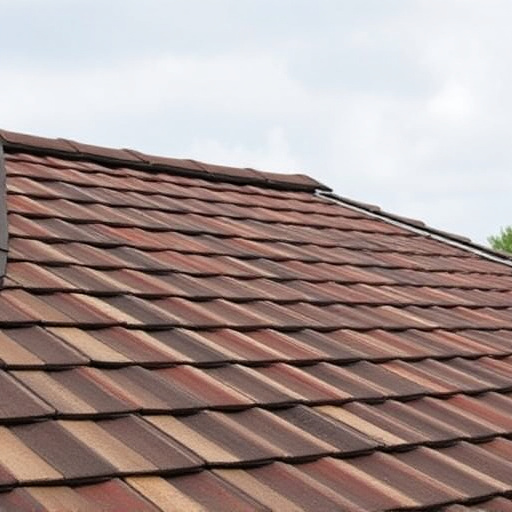
When considering long-term investments for your home, understanding the longevity and cost of different roofing materials is paramount. This decision impacts not just the structural integrity of your house, but also its energy efficiency and resale value. A well-chosen roof can protect against water damage, reflect heat, and even enhance outdoor living spaces, such as integrating with skylights and solar tubes.
In southern Arizona, including areas like Oro Valley, the climate presents unique challenges and opportunities for roofing. Clay tile, for instance, is renowned for its durability and aesthetic appeal, with some installations lasting over 50 years. This makes it a top choice for areas prone to intense sun and occasional rain, like our region. Clay tile roofs are also energy-efficient, reflecting heat and reducing the load on air conditioning systems. Conversely, asphalt shingles, while the most common choice due to affordability, typically have a lifespan of 15 to 25 years, making them a more temporary solution.
A "cool roof," a term often used in terms glossary, is another consideration, especially in light of climate change. These roofs are designed to reflect sunlight, reducing the amount of heat absorbed by the home. Cool roofs can be made from materials like reflective coatings on asphalt shingles or specialized tile. In areas like Marana and Vail, where temperatures can soar, a cool roof can significantly lower energy bills and make your home more comfortable. When considering the long-term, a cool roof's added benefits can outweigh the initial cost, particularly with potential savings on utility bills and increased home value.
Finally, homeowners should weigh the impact of outdoor elements, like desert wildlife and backyard trees, on their roof. Proper flashing and underlayment, basic components of any roof, are crucial for preventing leaks. DC Roofing of Arizona, a licensed Tucson area roofing contractor, emphasizes these details as they can significantly extend the life of your roof. Installing a roof that seamlessly integrates with your home's design, while also protecting against the elements, can be a valuable asset. Remember, the roof is a critical component of your home's health and value, so investing in quality materials and installation is an investment in your future.
Ventilation and Light: The Benefits of Skylights
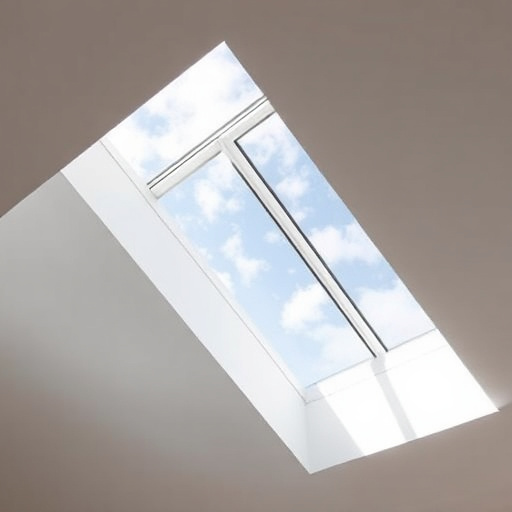
In the desert climate of southern Arizona, proper ventilation and natural lighting are essential components of any roofing strategy. This is where skylights and solar tubes come into play, offering a multitude of benefits for homeowners in cities like Marana. A local roofing company serving Tucson and Oro Valley can guide you in selecting the right system to enhance comfort, energy efficiency, and the overall value of your home.
Skylights provide a direct connection to the natural light and ventilation of your home, reducing the need for artificial lighting during the day. This not only cuts down on energy bills but also contributes to a more comfortable living environment. In the summer months, skylights can help cool your home by allowing hot air to escape, while in the winter, they can help retain heat. This dual functionality makes them a smart investment, especially in a region with distinct seasonal temperature changes. Skylights can improve the resale value of your home, as buyers often appreciate the natural light and airy feel they bring.
Solar tubes, another option, serve a similar purpose but with a different design. They capture sunlight from the roof and transmit it through a reflective surface, bringing natural light into the interior. Unlike skylights, solar tubes are less obtrusive and can be a more discreet option for homes with limited attic space. They are also less prone to water leaks, a common concern with skylights. However, both skylights and solar tubes require careful planning and installation to ensure optimal performance. This includes proper insulation and flashing to prevent water damage, a common issue in our region's unique climate. Ensure the installer is a licensed Arizona roofer with an ROC license to guarantee a job well done.
When considering these options, homeowners in Marana and nearby areas should consult with professionals who understand the specific challenges and benefits of living in southern Arizona. Proper ventilation and lighting not only enhance the comfort of your home but can also significantly impact your energy bills and long-term property value.
Replacement Time: Knowing When to Repair or Replace

Over time, a home's roof undergoes significant wear and tear, making it crucial for homeowners to understand when to repair or replace. This decision is complex, as it involves balancing cost, functionality, and the overall health of the structure. An experienced southern Arizona roof specialist recommends evaluating several factors, particularly as certain issues can be addressed effectively with repairs while others may necessitate a full replacement.
One of the most significant indicators is the age of the roof. While modern roofing materials can last 25 years or more, their lifespan is not indefinite. Asphalt shingles, a common choice in the region, typically need replacement between 15 and 30 years. Beyond this age, the roof's integrity may decline, making repairs less effective. Leaks, for example, could lead to water damage and, eventually, structural issues if not addressed promptly. In such cases, a replacement might be more economical than continuous repairs.
Another critical consideration is the extent of damage. Minor issues like missing or broken shingles can often be repaired. DC Roofing of Arizona suggests inspecting the roof for loose or curled shingles, which could indicate UV exposure, a common problem in the region's climate. However, if there are widespread cracks, significant water damage, or signs of compromise in the underlayment, a replacement might be in order. If the roof shows signs of poor drainage, leading to localized wet spots and potential leaks, addressing these issues early can prevent more substantial problems down the line.
For homes with skylights or solar tubes, regular maintenance is essential. These features require specific care to ensure they remain functional and energy-efficient. UV exposure can degrade sealants and finishes around these openings, necessitating periodic replacement. An experienced roofer can provide guidance on the best materials and techniques to protect these areas from the harsh desert environment. The parapet wall, a crucial component of many roofs, should be inspected for damage or signs of aging, as it matters in protecting the roof's edge and guiding water drainage. In cases of severe damage, repairs might not be feasible, leading to the consideration of a full roof replacement.
Future-Proofing: Solar Tubes and Energy Efficiency
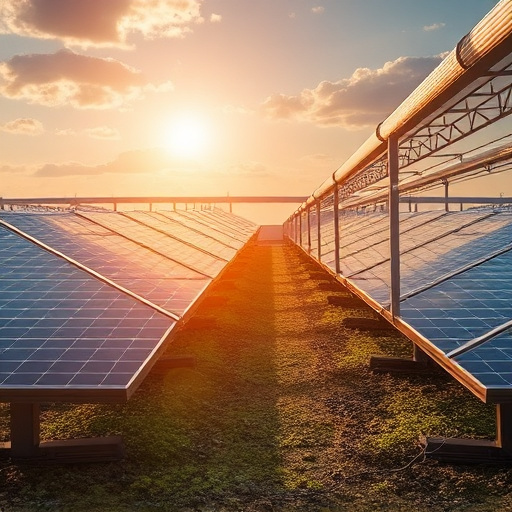
As your home ages, the roofing decisions you make can significantly impact your comfort, energy bills, and even the value of your property. Future-proofing your roof through energy-efficient upgrades, like skylights and solar tubes, can be a strategic move for any Tucson or Oro Valley homeowner. These features not only enhance your home's livability but also contribute to long-term savings and resilience against Arizona's ever-changing climate.
In regions like Green Valley and Marana, where temperatures can soar, traditional roofing materials might not be enough to keep your home cool. A roofer with an Arizona ROC license can advise on the benefits of skylights and solar tubes, which passively distribute sunlight and heat, reducing the burden on your air conditioning system. Standing seam metal roofing, popular in higher elevation areas like Vail, can be combined with these energy-efficient features to create a durable, stylish, and efficient roof. By directing sunlight away from your living space, these systems can lower your energy bills and create a more comfortable indoor environment.
To energy efficiency, skylights and solar tubes offer a practical solution for poor natural lighting in homes with limited window space. They can be especially beneficial in homes with parapet walls, where traditional windows are not feasible. These innovations not only brighten up your living spaces but also contribute to a more sustainable and environmentally friendly home. When considering a new roof or renovation, consult with a local roofing expert to explore how skylights and solar tubes can work in tandem with your chosen roofing material, ensuring your home is protected while maximizing the benefits of Arizona's sun-drenched climate.
Frequently Asked Questions About advice on the roofing decisions homeowners face over the life of a house
What are the most common roofing materials used in residential construction?
From traditional to modern options, asphalt shingles dominate residential roofs due to their affordability, ease of installation, and good storm resistance. Metal roofing is gaining popularity for its durability, longevity, and eco-friendly nature. Tile roofs, though more expensive, offer exceptional aesthetics and fire resistance. Wood shakes and cedar shingles provide a natural look but require more maintenance. Fiber cement siding is a versatile, low-maintenance option that mimics the look of wood or stone.
How often should I replace my roof?
The lifespan of a roof varies by material and quality of installation. On average, asphalt shingles last 15-30 years, while metal and tile roofs can last 40 years or more. Regular inspections and maintenance can extend the life of your roof. Look for signs of wear, leaks, or damaged shingles and address these issues promptly.
What factors should I consider when choosing a roofing material?
Beyond budget, consider your climate, home style, and future plans. In regions with heavy rain or snow, choose water-resistant materials. For a historic home, opt for materials that match the original style. Think about energy efficiency and noise reduction if noise is a concern. Also, consider local building codes and homeowner association (HOA) regulations.
How can I tell if my roof needs repairing or replacing?
Look for leaks, granule loss (from shingles), rust or corrosion (from metal), or sagging or misaligned sections. A thorough inspection by a professional roofer can help determine the extent of damage. If repairs are minimal, a quick fix may suffice. For significant damage or if your roof is older than its expected lifespan, replacement may be necessary.
What is the best way to maintain my roof?
Regular cleaning and inspection are key. Remove leaves, branches, and debris from gutters and downspouts to prevent clogs. Inspect your roof for damage after severe weather events and after trees have dropped leaves or branches. Keep an eye out for signs of wear and tear, and address small issues before they become bigger problems.
As homeowners, navigating the complexities of roofing decisions can seem daunting. However, understanding the key components and their impact on your home's value, comfort, and energy efficiency is crucial. This article has explored essential aspects, from choosing durable materials to harnessing the power of skylights and solar tubes for energy-conscious living. By considering ventilation, light, and the unique needs of your home's age and location, you can make informed choices.
Knowledge is power, especially for roof replacement and repair. Recognizing the signs of wear and tear, such as leaks or water damage, enables proactive maintenance. This approach not only extends the life of your roof but also protects your investment. Integrating energy-efficient solutions, like solar tubes, offers long-term financial benefits and contributes to a more sustainable future.
In the Tucson and Oro Valley areas, where roofing styles reflect the region's distinct character, understanding these concepts is invaluable. From traditional flat roofs to modern designs, each has its advantages and considerations. By adopting best practices, homeowners can ensure their roofs not only protect their properties but also enhance outdoor living spaces and contribute to the overall appeal of the home.
The insights gained from this roofing terms glossary and practical advice empower homeowners to make confident decisions. Whether it's choosing the right materials, optimizing ventilation, or embracing innovative technologies like skylights and solar tubes, each step brings you closer to a well-protected, energy-efficient, and valuable home.
In southern Arizona, understanding roofing materials' longevity and performance is crucial. Clay tile is durable and aesthetically pleasing, lasting over 50 years; asphalt shingles, the most common, last 15-25 years. "Cool roofs," reflecting sunlight to reduce heat gain, can lower energy bills. Skylights and solar tubes enhance natural lighting and ventilation, improving comfort and home value. Repairs vs. Replacement depend on age, damage extent, and features like skylights. Upgrading to energy-efficient roofs can lower bills and increase property value. Consult with a local, licensed roofer to choose the best materials and features for your home.