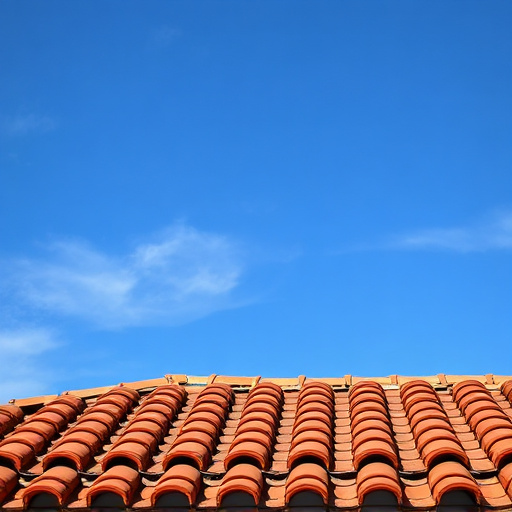
In the scorching sun of southern Arizona, a well-installed and maintained roof is more than just a shelter; it's a vital component that safeguards your home from the elements, enhances energy efficiency, and significantly impacts your comfort and property value. However, understanding roofing options, especially for roofing for manufactured homes, can be daunting. This guide, tailored to the unique needs of homes in and around Tucson, Oro Valley, Marana, and Green Valley, cuts through the clutter. We demystify roofing terms, from explaining the parts of a roof to understanding how it sheds water and keeps your home cool. By the end, you'll be equipped to make informed decisions about your roof, ensuring it not only protects your investment but also complements your outdoor living spaces.
- Understanding Roof Types for Southern Arizona Homes
- Choosing the Right Materials for Your Roof
- Installation and Maintenance: A Step-by-Step Guide
- Roofing for Manufactured Homes: Special Considerations
Understanding Roof Types for Southern Arizona Homes
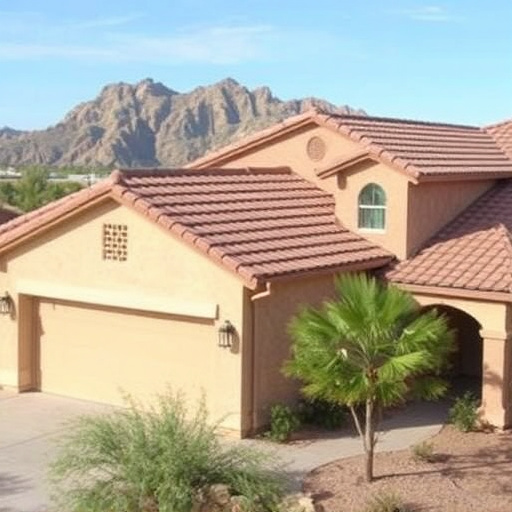
When selecting a roofing type for your southern Arizona home, understanding the local climate and environment is crucial. The region's unique conditions, characterized by intense sunlight, high temperatures, and occasional heavy rainfall, demand roofing solutions that balance durability, energy efficiency, and water management. One popular choice for the region is asphalt shingles, a cost-effective option known for its ease of installation and widespread availability. They offer a practical solution for many Tucson, Oro Valley, and Marana homes, but their longevity can vary based on local factors like UV exposure and wind.
In the case of manufactured homes, specific roofing considerations come into play. These homes often require roofs designed for efficient water drainage and quick installation to minimize construction time and costs. Spray polyurethane foam (SPF) roofing, for instance, has gained popularity in the region for its energy-efficient properties and excellent water resistance. SPF can be applied directly to the roof deck, providing a seamless, durable barrier that also reduces noise transmission. This type of roofing is particularly well-suited for the higher elevations found in areas like Vail and 55-plus communities, where insulation and energy conservation are paramount.
The region's diverse landscape presents unique challenges. In areas with expansive canal systems, like those found in some parts of Marana, proper drainage is essential to prevent water damage. A roofer with an Arizona ROC license can guide homeowners in choosing roofing materials and techniques that effectively manage water flow, ensuring the longevity of the roof and protecting the structural integrity of the home. A low-slope roof with a high-quality underlayment and proper flashing can be an effective solution for these areas, directing water away from the structure.
Choosing the Right Materials for Your Roof
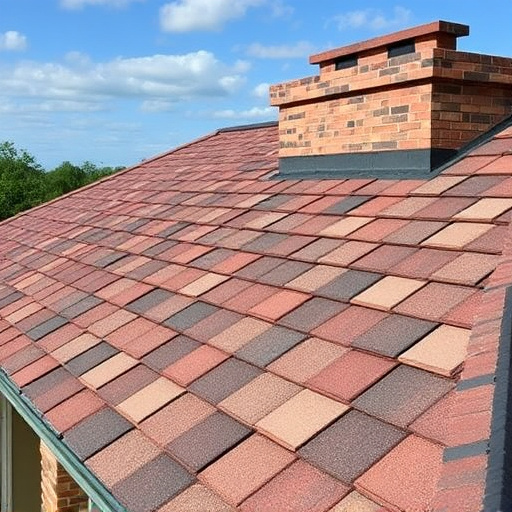
Choosing the right roofing materials is a crucial decision for any homeowner in southern Arizona, especially when considering the unique desert climate. With various options available, understanding their pros and cons is essential to ensure a durable, energy-efficient, and aesthetically pleasing roof. For roofing for manufactured homes, local experts like DC Roofing of Arizona, a licensed Tucson area roofing contractor, emphasize the importance of selecting materials that can withstand extreme temperatures, strong winds, and occasional water damage.
In this region, a local roofing company serving Tucson and Oro Valley might recommend the following materials, often preferred for their longevity and adaptability: asphalt shingles, known for affordability and ease of installation, are a popular choice. They offer a range of styles and colors, contributing to a home's curb appeal. However, in the desert, where intense sunlight can cause early degradation, a more durable option is essential. Metal roofing, for instance, is gaining popularity for its exceptional longevity and ability to reflect heat, reducing energy bills. Yet, it may be more expensive and require specialized installation.
Another critical aspect to consider is underlayment, a protective layer beneath the shingles that prevents water damage. A local roofing expert would advise using high-quality underlayments suitable for desert climates, ensuring an additional layer of defense against leaks. Proper flashing, which prevents water from seeping into joints, is vital. For roofs in areas like Green Valley or Sahuarita, where higher elevations bring unique weather patterns, the roofing contractor might suggest specific materials and techniques to handle these challenges, ensuring a roof that not only protects the home but also enhances its value, especially when considering a potential sale in the future.
Installation and Maintenance: A Step-by-Step Guide

For roofing for manufactured homes in southern Arizona, a thorough understanding of the process and materials is key. Whether you're a homeowner or a contractor, knowing the ins and outs of installation and maintenance ensures longevity and optimal performance. Let's examine the step-by-step process, keeping a special focus on solutions suited for the region's unique climate and building types.
The first step is selecting the right roofing material. For manufactured homes, standing seam metal roofing has proven to be a popular and effective choice. Its durable, low-maintenance nature complements the often more affordable construction of these homes. The installation process involves securing the metal panels directly to the roof deck, eliminating the need for traditional shingles or tiles. This method provides a seamless finish and superior wind resistance, crucial considerations in southern Arizona's occasional strong winds.
Proper drainage is another critical aspect, particularly in areas with significant rainfall. To the standard canales (gutters), consider installing a downspout extender to direct water away from the building's foundation. For homes with parapet walls, ensure proper flashing to prevent water intrusion at the wall's top. This step is especially important in protecting the structure from potential water damage, a common concern in any roofing project.
Regular maintenance is vital, especially in the region's arid environment. Inspect your roof for signs of wear and tear, such as loose or missing shingles, which can lead to leaks and other problems. Keep an eye out for excessive mold or lichen growth, common in the area's warm, dry climate. A licensed Arizona ROC contractor recommends cleaning your roof annually to remove debris and prevent blockages in drainage systems. By taking these proactive steps, you'll extend the life of your roof and ensure it continues to protect your home effectively.
Roofing for Manufactured Homes: Special Considerations
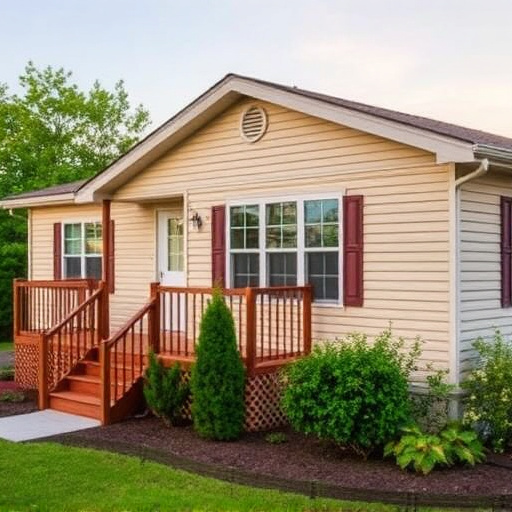
When considering roofing for manufactured homes in southern Arizona, there are several special considerations that homeowners and property managers should be aware of. First and foremost, the unique climate demands a tailored approach to roofing. The monsoon season, characterized by intense summer storms, necessitates a roof system that can withstand high winds and heavy rainfall. An experienced southern Arizona roof specialist recommends choosing roofing materials and designs that specifically account for these conditions.
One key aspect is the selection of a cool roof. Given the region's hot, dry summers, a cool roof can significantly reduce the interior temperature of the home, thereby lowering energy bills and enhancing comfort. Reflective or highly vapor-permeable roofing materials, such as certain types of metal or specialized shingles, reflect sunlight and minimize heat transfer, making them ideal for this environment. Proper roof decking installation is crucial. To providing a solid foundation for the roof, the decking should be designed to manage moisture and air flow, preventing water damage and ensuring the longevity of the roof.
In terms of maintenance, manufactured homes often require more frequent inspections due to their unique construction. Regular checks for signs of water damage, leaks, or loose shingles are essential. During monsoon season, homeowners should pay special attention to potential leaks, as heavy rainfall can quickly expose vulnerabilities. Lastly, when considering upgrades or replacements, consult with a local roofing contractor familiar with the specific requirements of manufactured homes. They can offer expert advice tailored to your property, ensuring a successful and lasting roofing solution.
Frequently Asked Questions About a general guide to roofing for homes across southern Arizona
What are the most common roofing materials used in southern Arizona?
In southern Arizona, due to the region's hot, dry climate, roofing materials are chosen for their durability, heat resistance, and ability to reflect sunlight. The most common materials include metal roofing, tile (especially clay and concrete), and asphalt shingles. Metal roofing is popular for its longevity and resistance to extreme temperatures, while tile is valued for its aesthetic appeal and fire resistance. Asphalt shingles are a cost-effective option, offering a wide range of styles and colors.
How do I know if I need a new roof?
Several signs indicate that your roof may require replacement. Look for missing or damaged shingles, leaks, water stains on the ceiling or walls, granule loss (from asphalt shingles), and the age of your current roof. If your roof is more than 20 years old and showing these issues, it's advisable to consult a licensed roofer in southern Arizona for an inspection.
What factors affect the cost of roofing in Tucson?
The cost of roofing in Tucson and the surrounding areas varies based on several factors, including the size and complexity of the job, the chosen roofing material, labor rates, and any additional services like ventilation installation or roof repairs. The type of roof (sloped, flat, or modified) and the number of layers already present also impact the cost.
Do I need a permit for a roof repair or replacement in Oro Valley?
In Oro Valley and most of southern Arizona, permits are required for certain roofing projects. Typically, repairs and replacements involving cutting or removing existing roofing materials need a permit. Contact your local building department to understand the specific requirements for your project, as regulations can vary.
How long does a typical roof installation take?
Most roof installations in southern Arizona can be completed within one to two days, depending on the size and complexity of the project. This includes the removal of the old roof, inspection, and installation of the new roofing material. However, larger homes or custom designs may take longer, and it's crucial to discuss timelines with your chosen contractor.
What should I look for when choosing a roofing contractor?
When selecting a roofing contractor, ensure they hold a valid Arizona ROC (Roofing Contractors License) and have insurance covering both liability and worker's compensation. Check online reviews, ask for references, and request a detailed estimate. Look for contractors who offer warranties on their work and use high-quality materials from reputable manufacturers.
In wrapping up this guide to roofing for southern Arizona homes, it's clear that a well-chosen and well-maintained roof is a critical component of any property's value and comfort. By understanding the unique considerations for this region, homeowners can make informed decisions when selecting materials and hiring contractors. Choosing the right roofing materials, such as durable asphalt shingles designed for desert climates, can significantly impact energy efficiency and water damage prevention, which are paramount concerns in terms of outdoor living spaces and the local environment.
For roofing for manufactured homes, the article highlights special considerations that homeowners must be aware of. These include understanding the unique requirements for underlayment, flashing, and drainage systems to ensure the structure's longevity and protect against water damage. The steps outlined in the installation and maintenance section serve as a practical guide for homeowners, regardless of their home type, emphasizing the importance of regular inspections and timely repairs to keep roofs in top condition.
In the end, the knowledge gained from this guide equips homeowners with the tools to navigate the roofing process, ensuring their investment is protected and their homes are well-prepared to withstand the region's unique challenges, from desert heat to occasional rain.
Roofing for Southern Arizona Homes: A Practical guide
In southern Arizona, choosing the right roofing type demands understanding the local climate-intense sunlight, high temperatures, and occasional heavy rainfall. For manufactured homes, specific considerations are crucial.
- Popular Choices: Asphalt shingles are cost-effective and easy to install, but their durability varies based on local factors. SPF roofing is gaining favor for its energy efficiency and water resistance, ideal for higher elevations.
- Installation and Maintenance: Metal roofing offers exceptional longevity and heat reflection but may be more expensive. High-quality underlayment and proper flashing are vital for all roofs, especially in areas with water drainage systems.
- Step-by-Step Process: Select suitable materials, ensure proper drainage, and maintain your roof regularly. Inspect for wear and tear, and clean annually to remove debris, preventing water damage.
- Special Considerations: During monsoon season, choose cool roofs to reduce interior temperatures and maintain a solid, well-ventilated roof decking to manage moisture. Regular inspections are key for manufactured homes.