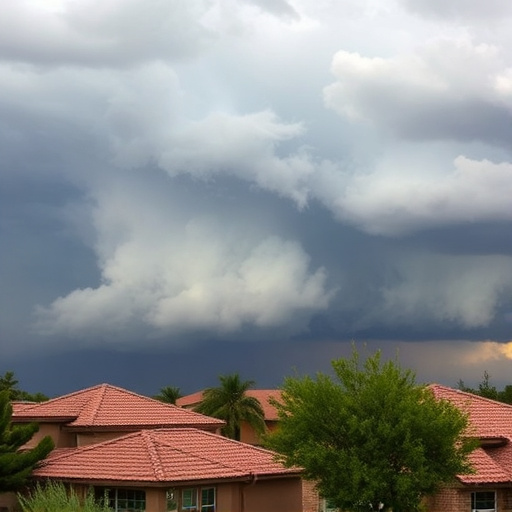
In the sunny climes of southern Arizona, roofing isn't just about aesthetics-it's a crucial component of your home's defense against the elements, energy efficiency, and even resale value. Yet, understanding the complex terminology and varied roofing styles can feel overwhelming. This guide, tailored for the Tucson and Oro Valley areas, aims to demystify the process, from choosing the right materials like asphalt shingles to navigating the impact of climate and desert wildlife on your roof. We'll examine the essential parts of a roof, how it sheds water and keeps your home cool, and the critical role of roofing and homeowners insurance basics. By the end, you'll be equipped with the knowledge to make informed decisions about your home's most important protective layer.
- Understanding Your Roofing Needs in Southern Arizona
- Selecting the Right Roofing Material for Your Home
- Navigating Homeowners Insurance for Roofing Claims
- Step-by-Step Guide to a Successful Roof Replacement
Understanding Your Roofing Needs in Southern Arizona
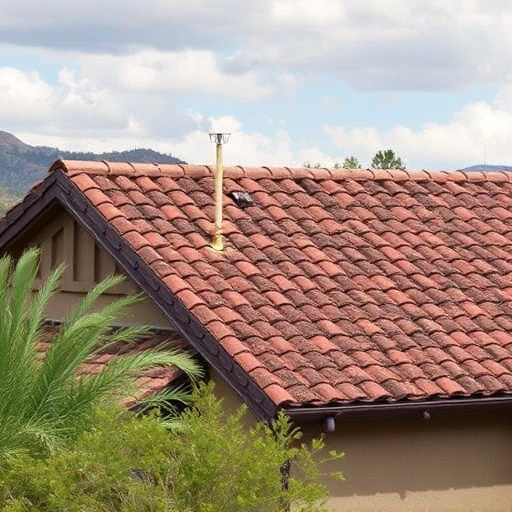
Understanding your roofing needs in southern Arizona involves recognizing the unique challenges and opportunities presented by the region's climate and landscape. As a homeowner in this part of the state, you'll want to consider factors like energy efficiency, water damage prevention, and the impact of outdoor living spaces on your roof's design and functionality. The intense sunlight and heat can affect roof color and insulation, while the occasional rainfall requires effective drainage systems.
Roofing styles in Oro Valley and neighboring areas like Marana and Vail tend to reflect the region's history and modern preferences. You might see a mix of traditional pitched roofs and the popular flat roofs from the mid-century modern era. Each style has its benefits and considerations, especially for maintenance and energy bills. A licensed Arizona roofer can help guide you in choosing the right materials, such as durable asphalt shingles, and ensuring proper installation, including the use of adequate underlayment and flashing, to protect against leaks and water damage.
For homeowners insurance, roofing is a crucial component. Understanding your policy's coverage for roof repairs and replacements is essential. Insurance plans can vary widely, and some may require specific types of roofing materials or construction methods to maintain or reclaim their value. In areas prone to desert wildlife, certain roofing materials might be preferred to deter animals from nesting. Rain harvesting systems, skylights, and solar tubes are becoming more common in southern Arizona, offering potential energy savings and unique design elements. These features require careful consideration in terms of both installation and insurance coverage.
Selecting the Right Roofing Material for Your Home
Selecting the right roofing material for your southern Arizona home is a crucial decision that impacts both its aesthetics and functionality. In this region, with its unique climate and diverse architectural styles, the ideal roof must withstand the area's extreme heat, occasional heavy rainfall, and potentially strong winds. A licensed Arizona roofer recommends considering these factors to ensure your home's protection for years to come.
Asphalt shingles, for instance, are a popular choice among homeowners due to their affordability and ease of installation. They're well-suited for southern Arizona's climate, offering good resistance to water damage and providing a wide range of colors and styles. However, as a more common material, they may be more susceptible to leaks over time, which is why proper installation and regular maintenance are key. For homes in areas like Vail or Marana, where wind can be a significant factor, a roofer with an Arizona ROC license might suggest a more wind-resistant option, such as metal roofing. Its durability and ability to reflect heat can lower energy bills, but it's typically more expensive and requires specialized installation.
When choosing a roofing material, also consider the home's value and your personal preferences. A flat roof with a mid-century modern design might be aesthetically pleasing but may require more frequent inspections for water damage due to its lack of slope. In contrast, a pitched roof offers better drainage and is easier to maintain, but it can be more challenging to insure for homes in 55-plus communities. Homeowners insurance basics often include coverage for roof damage, but certain types of roofing may carry different levels of risk, so consult with your insurance provider. A well-chosen roofing material, installed and maintained properly, will contribute to a comfortable living space, lower energy costs, and increased home value.